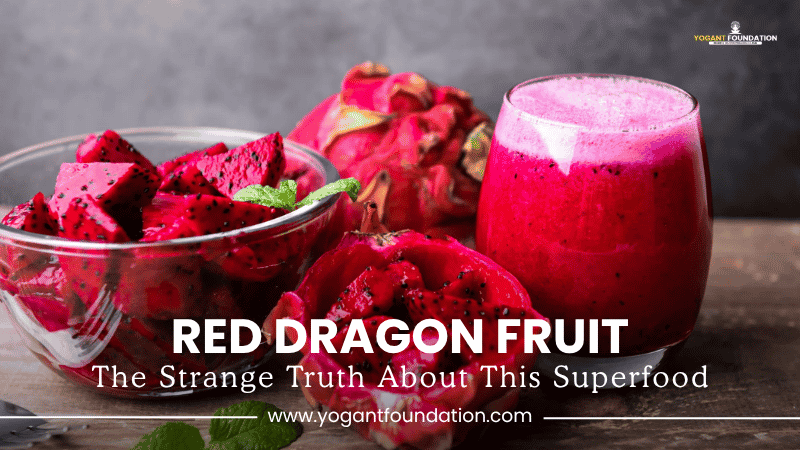

You may have wondered about the bright, spikey and red dragon fruit you saw in your local grocery store. Not only are you not the only one. It’s easy to see why dragon fruit is one of the most popular superfoods in the world. With its neon pink skin and scales it makes it a very photogenic food. Under that beautiful exterior is a mysterious fruit. How does it taste? Does it have any health benefits? What is the best way to eat this? Is it really worth all the fuss?
The comprehensive guide provides answers to all these questions, plus many more. You’ll learn everything there is to know about the dragon fruit, from its nutritional value and health benefits to how to choose the best one in the shop. Discover the most delicious ways to enjoy dragon fruit, whether it’s in a healthy salad, smoothie, or as a snack. If you have ever pondered whether or not dragon fruit was worth buying, read on. After reading this guide you will be an expert on dragon fruit, ready to enjoy the tropical treat with confidence.
What is Red Dragon Fruit?
Red dragon fruit, or red pitaya or strawberry pear, grows on cacti and is native to Central and South America, though it is now popular in parts of Southeast Asia. The dragon fruit is añ attractive reddish purple fruit with pink skin and green spikes and has tiny black edible seeds. Though it is often described as being a melon with berries fruit, red dragon fruit is also a bit beetroot in flavor compared to the less colorful white dragon fruit.
Red Dragon Fruit Benefits: Why You Should Eat It
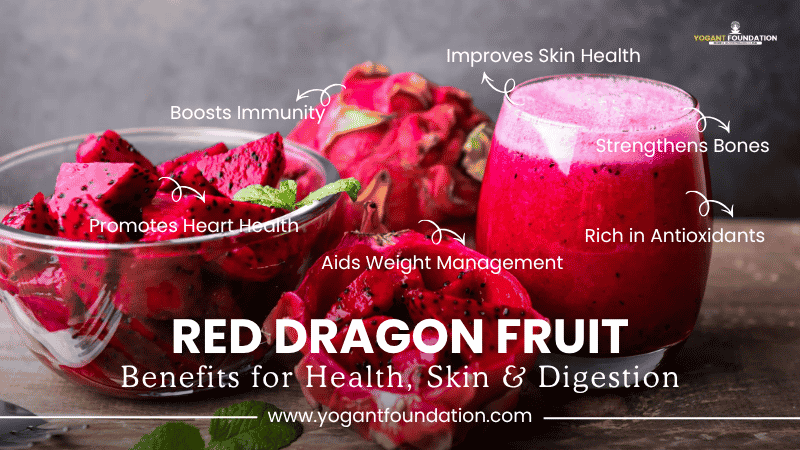
The most influential rationale for incorporating red dragon fruit into your dietary regimen is its extensive health advantages primarily due to its high content of antioxidants. Let’s delve into the specifics of these benefits.
It’s an Antioxidant Powerhouse
Red dragon fruits are classified as superfoods because of their eye-catching colour. Red dragon fruits are rich in betacyanins that give them their deep red color. They also provide protection against cellular damage caused by free radicals. It can help with chronic illnesses and inflammation.
Free radicals are molecules which can cause cellular damage. They may also associated with diseases such as cardiovascular or cancer. Dragon fruit contains betacyanins which is classified as betalains. Also, Swiss chard and beets contain betalains. Betalains are known to have anti-inflammatory properties and can also be cancer-fighting. Dragon fruit is a healthy food
It Supports Heart Health
Omega-3 and omega-9 fatty acids, both of which can help improve heart health, are also found in the seeds of the red dragon fruit. These fatty acids are essential for the reduction of inflammation in the body and the lining of blood vessels. In addition to the benefits mentioned above, studies also suggest that consumption red dragon fruit is associated with a lower “bad” LDL cholesterol and has a great likelihood of increasing “good” HDL cholesterol.
The contribution of dragon fruit’s fiber content to heart health occurs via lowering cholesterol. Soluble fiber attaches to cholesterol in the digestive tract and helps remove them from the body before they can be absorbed into the blood stream. Also, red dragon fruit’s potassium helps manage blood pressure by counter acting the effects of sodium and relaxing the blood vessels. These combined effects make red dragon fruit an optimal food to keep the cardiovascular system healthy.
A Boost for Your Immune System
Packed with vitamin C, which aids in immune health, a single serving of red dragon fruit is a tremendous health benefit, white blood cell Vitamin C increases production; white blood cells are the body’s front line against attacks from infections and viruses. Lymphocytes and phagocytes are two types of white blood cells, and both identify and attack pathogens.
Red dragon fruit, in addition to vitamin C, provides immune-supporting nutrients including iron, magnesium, and phosphorus. Iron is vital for the formation of hemoglobin, the respiratory protein, which transports oxygen to all body cells, immune cells included. Magnesium participates in 300+ biochemical processes, some of which involve immune system function and inflammation. These three nutrients in conjunction strengthen the immune system.
Promotes Healthy Digestion and Gut Health
This fruit provides dietary fiber, crucial to digestive health. Fiber regulates bowel movements and combats constipation. Additionally, dragon fruit is comprised of oligosaccharides. Oligosaccharides are prebiotics and nourish good gut bacteria, like bifidobacteria and lactobacilli, leading to a better microbiome.
The prebiotic abilities in dragon fruit deserve a closer examination. Foods high in fiber typically contain a variety of fiber types, but dragon fruit contains a unique variety of fiber that effectively encourages the propagation of positive gut bacteria. A robust gut microbiome is related to a variety of positive health outcomes, including mood improvements, stronger immune functioning, and a decreased risk of various chronic illnesses. The seeds in dragon fruit provide mechanical cleansing of the digestive tract, and further, aid digestive health.
Benefits for Skin Health
The elevated levels of vitamin C and antioxidants present in red dragon fruit lead to skin that is healthy and radiant. Vitamin C in dragon fruit combats free rads that damage cells and age tissues and skin, produces collagen, and aids in the repair of skin tissues. Collagen gives the firmness and elasticity of skin and is strengthened and produced with the help of vitamin C.
Red dragon fruit has uses beyond being eaten. Certain skin care products utilize dragon fruit extract due to the antioxidant properties that the extract contains. The fruit’s composition includes a lot of water which helps skin stay hydrated. It also contains vitamin A which helps skin care repair and heal the cells of the skin. Over a long period of time this will cause decreased fine lines, and even the tone of skin, and will refresh the inner layers of the skin.
May Have Anti-Cancer Properties
Creole red fruit has recently been found to have profound diminishing effects on DNA-damaging free radicals that can lead to tumorigenesis. Research on vitamin C, betacyanins, and phenolic antioxidants in red dragon fruit suggests that these antioxidants can have several anti-cancer benefits. These studies are in their infancy and are not yet conclusive; however, this is an upward trend in nutrition and biochemistry.
Studies particularly suggest that red dragon fruit betacyanin extracts display potential in laboratory settings to inhibit certain types of cancer cell growth. Apoptosis, which is the programmed death of abnormal cells, is a likely mechanism of action. While it is undoubtedly premature to attribute cancer prevention or curing capabilities to dragon fruit, it is justified to argue that the presence of high levels of antioxidants in dragon fruit would reasonably contribute to a dietary cancer prevention framework.
Red Dragon Fruit Nutrition: What’s Inside?
Knowledge of the nutrition facts of red dragon fruit reveals its benefits when advocating for a healthy lifestyle. Based on the following nutrition facts, based on a 100-gram (3.5-oz) serving, we see that dragon fruit has the following:
| Nutrient | Amount | % Daily Value* |
|---|---|---|
| Calories | ~60–68 kcal | — |
| Carbohydrates | ~16 g | 5% |
| – Natural Sugars | ~12 g | — |
| – Dietary Fiber | ~1.8 g | 6% |
| Protein | ~0.68 g | 1% |
| Total Fat | ~0.21 g | <1% |
| Vitamin C | ~19.8 mg | 22% |
| Calcium | ~13 mg | 1% |
| Potassium | ~206 mg | 4% |
| Iron | ~0.12 mg | 1% |
| Magnesium | ~35 mg | 8% |
| Phosphorus | ~36 mg | 3% |
Red vs White Dragon Fruit: Which is Better?
The distinction between red and white varieties is among the most frequently asked questions. One isn’t more nutritious than the other, put rather the factors regarding each that are most important to you:
| Feature | Red Dragon Fruit | White Dragon Fruit |
|---|---|---|
| Flesh Color | Deep magenta or red | White |
| Taste | Sweeter, richer, “berry-like” | Milder, less sweet, often compared to a “watered-down pear” |
| Sugar Content | Slightly higher (~11.5g per 100g) | Lower (~7.65g per 100g) |
| Antioxidants | Significantly higher due to betacyanins and anthocyanins | Lower antioxidant content |
| Availability | Rarer, often more expensive | More common and affordable |
| Betalain Content | High | Negligible |
| Vitamin C | Similar levels | Similar levels |
Which should you choose?
- In terms of antioxidant benefit, the red variety is the better option.
- When it comes to sugar levels and managing diet for weight loss or diabetes, the white variety at a lower sugar level may be a better selection. Both varieties, however, have a low glycemic index and in controlled portions, are both diabetic-friendly.
- When considering flavor, the majority of people likely would agree that the red option is better with a richer overall taste and sweetness.
- If finances are a concern, the white variety of the options is likely a better selection for overall nutrition because of the lower cost of the white variety compared with the red variety.
How to Eat Red Dragon Fruit
You might find it hard to believe that dragon fruit is easy to eat. Eating red dragon fruit is simple. Follow these steps:
Step-by-Step Guide
- Wash: It is always a good idea to wash fruit to remove dirt and pesticides that may be on the skin. You should wash the skin of your fruit before cutting it to prevent contamination from being spread onto the flesh.
- Cut: Remove the avocado by breaking the skin around the center of the fruit. Peel the skin and remove the flesh with a teaspoon. The skin is a great container, so this method reduces waste.
- Scoop or Slice: You have two main options:
- Scoop: To remove the avocado, break the skin about the center of the avocado. Peel the skin and remove the flesh with a teaspoon. The skin is a great container, so this method reduces waste..
- Peel & Slice: Peel the rind away with your fingers or a knife, remove the inner fruit flesh and cut into small sections or squares. This method is better suited when the fruit is planned to be served in a salad or used as a garnishing element.
- Eat: The seeds possess a texture that is crunchy and a flavor that is mildly nutty making them completely edible. Juice and flesh that is soft would enjoy this addition of crunchy contrast.
Delicious Ways to Enjoy It
- Fresh: You can make a snack out of just eating this food raw. Just take a spoon and dig in!
- Smoothies: Add it to smoothies to create a bold colored addition and also adding nutrition. The flavor is soft so it is easily paired with bolder fruits like pineapple and mango and berries too.
- Salads: Make your salads a bit more colorful with some colored gelatin cubes. These cubes also add a fun texture. Better yet, try citrus-dressed salads or tropical fruit salads.
- Bowls: Incorporate it into your yogurt, oatmeal, or açai bowl for a vibrant and colorful add-in. Its gorgeous magenta hue will make any dish look like it came from a fine dining establishment.
- Desserts: Incorporate them in sorbet, ice cream, or chia pudding. You will be able to decrease the sugar you add to a recipe.
- Juice: Puree and filter with water for a refreshing juice. Juice a lime or lemon into the mixture for more tart flavor.
- Jam and Preserves: With a high pectin quantity, dragon fruit is a good candidate for jams and jellies.
A note about the skin: Though skin contains nutrients, like antioxidants, the tough, bitter skin is generally not recommended to eat. Plus, the skin has been treated with pesticides. Limit yourself to eating the flesh.
Pro Tips and Advanced Insights
How to Pick a Ripe Fruit
There are several factors to consider when selecting a high quality red dragon fruit. A good fruit should have an even bright red color, should give when pressed with your thumb, and have skin with no large soft or blemished areas and are vibrant.
Fruit with dry or shriveled stems indicates over ripening and should be avoided. Fruit with brown spots or bruises may have undergone rough handling and should also be avoided. They should feel heavy for its size and should be full of juice. The heaviest fruit is most likely the ripest and the best selection.
Storing Your Fruit
Store uncut dragon fruit at room temperature for a few days and allow it to continue ripening. This maximally increases dragon fruit sweetness. When you cut it open, put it in the refrigerator to slow down the ripening process and it will last for another week.
Once you have cut it, leftovers should be placed in an airtight container and stored in the fridge for a maximum of 1 to 2 days. The cut flesh will start losing its bright color and its nutritional value will also diminish. It is best to eat this product while it is still fresh.
A Surprising Side Effect
Do not be concerned if your urine or stool turns a pinkish-red color after eating red dragon fruits. The natural pigments in the red dragon fruit (betacyanins) are responsible for this temporary and harmless side effect. These pigments, which are strong antioxidants but are not fully absorbed into the body by your system, can cause temporary coloration of your waste.
Common Mistakes to Avoid
Choosing the Wrong One
Not all dragon fruit is created equal. For a sweeter, more flavorful experience, the red variety is often recommended over the white variety. White dragon fruit can sometimes be bland, particularly if it’s not perfectly ripe.
Eating the Skin (in its raw form)
While not toxic, the skin is tough, bitter, and can have pesticide residue. Stick to the flesh. Some cultures do use the skin to make tea or as a flavoring in cooked dishes, but it’s not recommended to eat it raw.
Buying an Unripe Fruit
A hard, green dragon fruit will be bland and unappealing. Wait for it to have a little give. You can leave it at room temperature to ripen further, but once it’s ripe, it should be eaten or refrigerated.
Overconsumption
The high content of fiber in dragon fruits can cause digestive problems such as diarrhea, gas and bloating. Moderation is the key to avoiding these symptoms.
Ignoring the Seeds
Some individuals remove the seeds, presuming them to be inedible. This not only assumes incorrectly, but also jeopardizes the fruit’s nutrition. Seeds contain healthy fats and fiber.
FAQ About Red Dragon Fruit
Q1: Is red dragon fruit good for weight loss?
It can. Low in calories, but rich in fiber. This helps to make you feel satisfied and full, which can reduce overeating. Water content is also high, which contributes to feeling full without adding many calories.
Q2: What is the difference between red and white dragon fruit?
Red variety is sweeter and contains more antioxidants such as betacyanins. However, it has slightly higher sugar content. White variety is milder and has less sugar. Red varieties are also more expensive, and can be harder to locate.
Q3: Can I eat red dragon fruit every day?
Consuming this fruit in moderation will not cause harm. A high intake of caffeine can cause digestive issues or alter the colour of your urine and stool.
Q4: How many calories are in a red dragon fruit?
Dragon fruit is very low in calories. A 100-gram portion contains between 60 and 68 calories. The average dragon fruit is 150-200g in weight and contains 90-130 calories.
Q5: Can people with diabetes eat red dragon fruit?
It has a lower glycemic indices so the blood sugar levels won’t spike. The fiber will also help to slow down the absorption of sugar. You should still check your blood glucose levels to make necessary adjustments.
Q6: Is red dragon fruit safe for pregnant women?
It is difficult to determine the safety of consuming it in medicinal quantities during pregnancy. Most experts consider it safe to consume in normal amounts as food. It’s always best to speak with your doctor if you are concerned.
Q7: How do I know if my red dragon fruit is bad?
A mushy consistency, an unpleasant odor or mold on skin are all signs of spoilage. It’s best to throw out any flesh that has turned watery, or developed brown spots.
Q8: Can I eat the seeds of red dragon fruit?
The seeds can be eaten and are nutritious. The seeds are rich in fiber and healthy fats. The fruit has a subtle, pleasant nuttiness that gives it a nice texture.
A Strong Actionable Conclusion
Red dragon fruit exceeds aesthetic appeal. It is an actual superfood with vitamins and fiber that are beneficial to health. This fruit, aids weight loss, heart, and digestive health plus it has immune system boosting properties and much more.Red dragon fruit has the vitamins and minerals that makes it one of the best foods that are low in calories. The high fiber content and vitamins also make it an optimal choice for anybody trying to make healthier choices in their diet.