
Introduction
We live in an overstimulated world. As a result, thoughts of your to-do list fill your mind even when trying to meditate at home using an app. Modern life simply doesn’t provide the necessary space for mental calm and stillness. This is the main reason why an effective yoga and meditation retreat practice is so transformative. The retreat takes you away from the distractions of life and provides mental calm to look inward. A yoga retreat differs from a vacation because it provides the reset your mind needs from the overstimulating world.
A yoga retreat differs from a yoga class because the retreat provides the necessary time and structure for your nervous system and mind to unwind. This time and structure is the main reason why yoga retreats are so transformative to new and experienced yoga practitioners alike. If you feel true inner peace is unreachable, a yoga and meditation retreat provides the inner calm your mind needs and the best investment for your mental and physical well-being.
What Is a Yoga and Meditation Retreat?
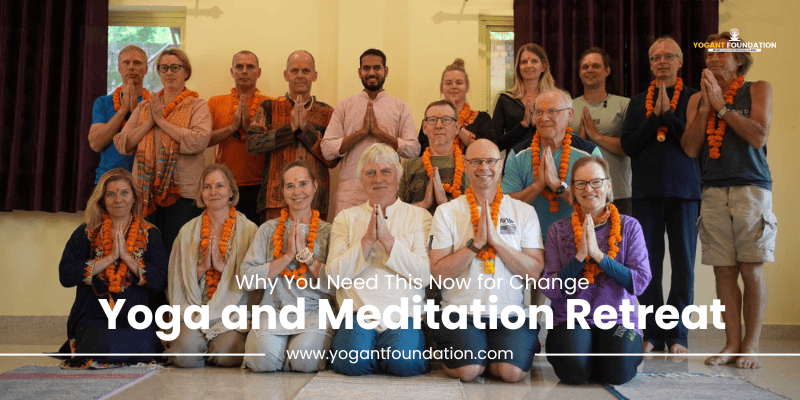
A yoga and meditation retreat gives you the chance to refine your practice of yoga and meditation because you get so much more time and space to focus solely on this practice. A yoga and meditation retreat is different from a regular yoga class because typically retreats span many days or more and include the daily practice of yoga postures, breathwork, and guided meditations. Retreats also give you the structure and community you need to build a new habit.
Many retreats have a yoga instructor, or other wellness professional, to help you with the basics and give feedback about where you are at with your practice and many retreats also have a community support aspect as well. Changing your environment from where you practice other habits also plays a big part. The combination of all these elements is a great way to improve on your meditation and yoga practice! The research that has been done about retreats has shown that attending retreats has greatly decreased anxiety and depression while also increasing mindfulness. It’s that good.
Why Yoga and Meditation Work Better Together
Yoga and meditation coexist in an integrated relationship, however, it is not just a relationship of inclusion in Patanjali’s Eight Limbs Yoga Sutras. Traditionally, they are viewed as separate systems of a singular path in which each of the systems supports the other. Practically, what does this entail?
The body becomes ready for the stillness of meditation through the practice of yoga asanas. The body must be physically comfortable to meditate for long periods. Stiffness in the back and tension in the legs can make meditation hard to practice. The restless energy that is released through the practice of yoga allows the body to become absorbed and concentrated.
Making meditation a part of your yoga practice can deepen the benefits of both disciplines. Without integrating the mental practice, yoga can become a workout. The physical postures are meant to be an access point to inner stillness. The purpose of the physical body postures is to prepare the body for the stillness to follow.
Scientific Benefits of a Yoga and Meditation Retreat
A three-month yoga and meditation retreat study revealed remarkable physiological changes in participants :
Brain Health: Participants that were tracked showed that there were increased levels of the protein Brain-Derived Neurotrophic Factor (BDNF), which supports brain health and cognitive functioning. Those participants that sustained much higher levels of anxiety showed less of an increase. This might mean that the persons that are anxious would benefit from longer retreats.
Improved Stress Adaptation: It was found that cortisol awakening response (a healthy physiological arousal measurement) enhanced after the retreat indicating that the stress level adaptation was improved.
Psychological Benefits: Participants reported measurable decreases in self-reported anxiety and depression alongside increased mindfulness .
Step-by-Step Guide: What to Expect at a Yoga and Meditation Retreat
Step 1: Morning Sadhana (6:30–8:00 AM)
Most retreats begin before sunrise. The morning typically starts with gentle asana practice, followed by breathwork and meditation. This isn’t about performance—it’s about preparing the body and breath as instruments for sitting practice .
Step 2: Breakfast and Contemplation
After a nutritious vegetarian meal, retreats often encourage silence. This “space” allows you to integrate what you’ve practiced rather than immediately filling your mind with conversation or phone scrolling. Many modern retreats are phone-free to support this process .
Step 3: Mid-Morning Philosophy or Teaching Sessions
Meditation during yoga retreat often includes teachings. You might explore texts like the Yoga Sutras or Tattva Bodha, unpacking concepts of consciousness, the nature of the mind, and the path to liberation .
Step 4: Afternoon Practice and Free Time
Multiple meditation sessions are spaced throughout the day, often in 40-minute increments. Rather than one long sit, these shorter, frequent practices help build your “meditation muscle” steadily .
Step 5: Evening Rituals—Kirtan, Satsang, and Closing Meditation
Evening practices often move in the direction of devotion—call-and-response chanting, reflection and group dialogue. They serve to calm the mind leading up to the last meditation of the day.
Types of Meditation Practices on Retreat
Body Scan: A basic practice that establishes greater awareness of the body and progressively releases physical tension.
Jangama dhyana: A technique of silent meditation taught by Self-Realized yogis in which focused awareness.
Shamatha-Vipashyana: A fluid interplay of soft attention on the breath, and open awareness — invited to befriend your mind with gentleness, playful curiosity.
Yoga Nidra: This form (meaning “yogic sleep”) is a guided meditation that takes practitioners to a state of deep rest and contact with the deeper layers of the subconscious—great for stress, anxiety, and insomnia.
Walking Meditation: A contemplative practice of mindful movement, where one continues their meditative awareness while walking.
Practical Tips for First-Time Retreat Attendees
Start Small: A weekend retreat is an excellent entry point rather than committing to a month-long immersion right away.
Leave Your Phone Behind: The whole point is to disconnect. Many Indian retreats now enforce phone-free spaces .
Choose a Style That Resonates: There are retreats that emphasize silence and sitting meditation, or combine physical practice with philosophy, and those that focus on devotional chanting and community. Do your research on what is the schedule in an average day before booking.
Pack Comfortably: Wear layers of comfortable clothes that give you a full range of movement. Several retreats offer dedicated yoga mats and props.
Be Patient with Yourself: Starting with sedentary time for the first times sitting still for a long time can make you feel uncomfortable. This is natural — it always takes time to layer on some familiarity and find your wingman.
Common Mistakes to Avoid
Choosing Intensity Over Depth: A physically demanding asana practice isn’t necessarily better. Look for retreats that balance movement with substantial meditation time.
Expecting Instant Transformation: Benefits of yoga and meditation retreat compound over time. A retreat plants seeds—growth continues when you return home.
Attending Without an Open Mind: If you’re skeptical, that’s fine—but genuine curiosity makes the experience richer. The practice invites you to meet yourself with presence rather than striving to “fix” anything .
Overlooking the Return Transition: Many people experience a “retreat hangover” upon returning to regular life. Look for retreats that include guidance on integrating practices into daily routines.
Yoga and Meditation Retreat Comparison Overview
Pro Tips from Advanced Practitioners
A true Yogi is “the ever silent one,” who has reached a complete state of mind total chillness and rests in the Supreme Peace of the Self every time. This may seem like a pipe dream—and here’s the thing that experienced practitioners have learned, but newbies often struggle to grasp:
Integration, Not Perfection: you don’t balance on one pin, but tie multiple small practices together so they can support each other. One breath, one mudra, one silence affirmation laid on top of each other creates permanence.
Nervous System Regulation: Without addressing your nervous system’s baseline, no amount of meditation will create lasting change. Approach wellness from the inside out—release accumulated grief, chronic tension, and exhaustion beneath exhaustion .
Five Koshas: Ancient Yogic understanding teaches that we have five layers—physical, energetic, emotional, mental, and spiritual. The retreat experience helps you explore and honor each one .
Multiple Daily Sits: Instead of doing one long meditation session, you should meditate more often for a shorter time, which will help you build your practice in a more effective way. This structure enables meditative awareness to permeate daily life activities!
Digital Fatigue: India’s wellness revival is maintained by the fact that contemporary seekers want space, not additional stimulation. Retreats designed for unplugging help you deactivate from life in a way that allows you to slow down and reconnect.
Wellness Is Not Luxury; It’s a Necessity. Increasingly, people are realizing that health is not only about how we look but also about how we think, feel, rest, relate to others, and move through life . A retreat supports this holistic understanding.
FAQs About Yoga Retreat and Meditation
What is a yoga retreat and how does meditation fit in?
A yoga retreat is a dedicated period away from daily life to deepen your practice. Meditation is always included because yoga postures prepare the body for sitting meditation, while meditation cultivates the mental stillness that gives yoga its deeper purpose. Together, they create a complete practice for mental and physical well-being .
Is a yoga and meditation retreat suitable for beginners?
Yes. Most yoga and meditation retreat are suitable for all levels Having a natural curiosity and an internal drive is better than experience. As retreats guide you through foundational techniques, the twenty-four-hour atmosphere also encourages fledgling novices simply to establish a steadier routine through the correct support.
How long should a yoga and meditation retreat be?
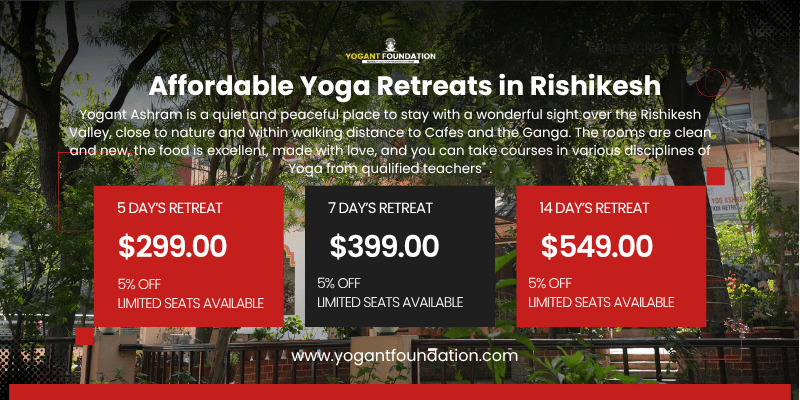
It depends on your goals. Weekend retreats (5 days) are a sample of what the experience is like, with basic tools. With week long retreat (7 days’, it is ample of time for new habit formation and visibly different mental state. More extensive (one month or longer) retreats evoke more profound physiological and psychological changes, such as objectively quantifiable decreases in anxiety and depression.
What are the physical and mental benefits of attending a yoga and meditation retreat?
Recharge Your Mind and Body: Physical benefits: Flexibility, posture, circulation, muscle tension, and core strength The mental benefits consist of less anxiety and depressive symptoms, mindfullness, emotional regulation, and sleep. There are also studies indicating higher BDNF (Brain health protein) levels and there are regulated inflammatory markers as well.
How do I choose the right yoga and meditation retreat?
Think about how experienced you are, how much money you have, how close you are to your final goal and why you want to do your job. If you have never meditated before go for a meditation retreat that has no problem making that known and has specific accommodations in place for beginners. Look at the schedule for each day—some retreats spend more time on physical shapes, whereas others are more about your seat.
Go through reviews and find out about the teacher. That’s where the different cultures of India versus US and UK come in, since India’s got deep yogic roots and authentic teachers and US and UK have retreats that mix Eastern mystery and wisdom with Western access.
What is the difference between a yoga retreat and a meditation retreat?
A meditation retreat focuses primarily on sitting practice, often in silence, with minimal physical movement. A yoga retreat and meditation experience integrates both—asana practice and breathwork prepare the body for meditation, while the meditation deepens the mental benefits of yoga. Most retreats today blend both .
Can I do a yoga and meditation retreat alone?
Yes, and many people attend solo. This can actually deepen the experience, as you have fewer distractions and more time for introspection. Most retreats include group practices but also provide ample personal time, allowing you to go at your own pace .
Conclusion
A yoga and meditation retreat, is not an occasional treat, it is a deep investment in your head and in your body. The upside is multiplied exponentially when yoga and meditation are done in a structured, immersive environment. Science backs up ancient wisdom that has been known for thousands of years, through a combination of yoga and meditation, to teach our nervous system to calm down, enhance brain health as well as sustain a state of perpetual inner peace. A retreat offers exactly what modernity robs us off — time.
A time to practice, to breathe, to stand still, to remember who you are beyond your duties. The perfect retreat can be life-changing, regardless of whether you are a beginner going through your first few steps or an experienced practitioner yearning for deeper immersion. Even if you have to start small, get going. Gifting your sacred mind, body, and soul a moment of inner peace and relaxation.
Ready to begin? Think about attending a well-known ashram or a center based in India for traditional practice over a destination weekend. The path to mindfulness and meditation need not be perfect; it only needs to start. The calm mind, the agile body and the connected heart are ready for you.