
Beginner’s Guide to Urdhva Mukha Svanasana
We have all been there. You are flowing through a Vinyasa class, moving with your breath. You hit Chaturanga, lower down with control (or at least you try to), and then comes the moment to “inhale, upward-facing dog.” For many, this transition is a source of anxiety rather than joy. Instead of feeling like a powerful, heart-opening backbend, Urdhva Mukha Svanasana often feels like a crunch in the lower back or a collapse into the wrists. You know it should feel expansive, but it usually just feels like a struggle.
You are not the only one who has heard this before. Urdhva mukha Svanasana has subtle mechanics. Understanding a few alignment principles, and changing your focus to lifting up instead of pushing up can help you transform this pose from being a frustrating bottleneck to your practice. The guide below will teach you everything you need in order to safely master this asana.
What is Urdhva Mukha Svanasana?
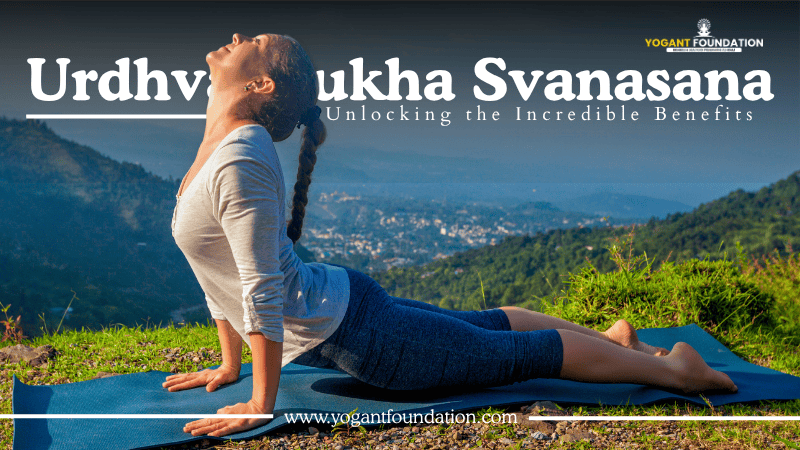
At its heart, Urdhva Mukha Svanasana, which translates to Upward-Facing Dog Pose, is a rejuvenating backbend that builds whole-body strength. You begin lying on your stomach, and by pressing firmly into your hands, you lift your torso, hips, and thighs clear off the mat. Your arms become strong, straight pillars, your chest lifts and opens towards the sky, and your weight rests only on your palms and the tops of your feet. This creates a graceful, lifting curve through the spine. Sun Salutations include this as a core exercise. The Sun Salutations improve your posture, help you increase your spinal flexibility, while leaving you feeling awake, centered, and well-rested.
The “Why”: Unlocking the Incredible Benefits of Urdhva Mukha Svanasana
Why dedicate time to mastering the nuances of this posture? Because the gifts it offers go far beyond the physical shape. Urdhva Mukha Svanasana Benefits ripple out, touching your energy, your mood, and your long-term well-being.
1. It’s a Natural Antidote to Modern Living
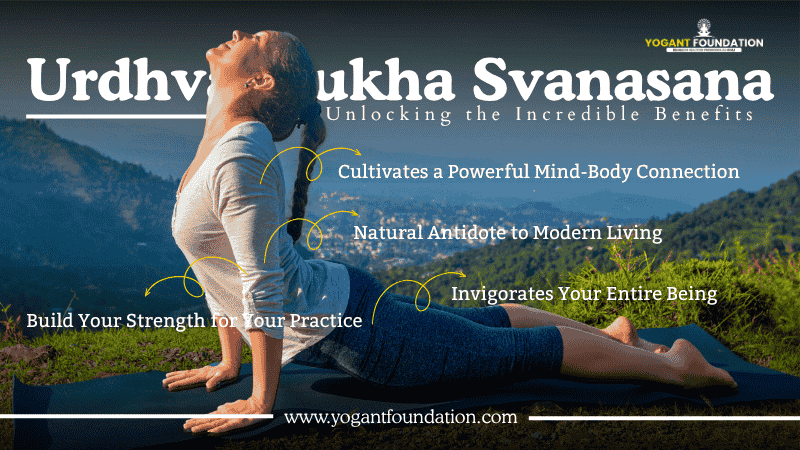
Think about your average day. Chances are, it involves a lot of sitting, hunching over a phone, or peering at a laptop. This constant forward curling tightens the chest and weakens the back. Upward-Facing Dog is the perfect counter-movement. It actively strengthens the entire chain of muscles along your spine while stretching open the front of your body—the hips, the abdomen, and the chest. It’s like a gentle, firm tug that reminds your body what good posture feels like.
2. It Cultivates a Powerful Mind-Body Connection
It’s not just stretching; this is a puzzle that engages the entire body. You must press down with your hands, raise your core and engage your legs simultaneously to do this exercise well. The coordination of your actions makes you fully present. When you are orchestrating this movement symphony, there is no time to think about your list of things to do. This is a meditation in motion that keeps you grounded and focused on the present moment.
3. It Invigorates Your Entire Being
Have you ever noticed how a good backbend can shift your entire mood? By lifting the sternum and expanding the rib cage, you create maximum space for your lungs to fill. This deep, facilitated breathing is inherently energizing. It’s like a internal caffeine shot that doesn’t lead to a crash. Practicing this pose, especially in the morning, can shake off mental fog and leave you feeling open, courageous, and ready to face the day.
4. It Builds Foundational Strength for Your Practice
This arm and shoulders strength can be transferred to many other poses.. It teaches you how to support your body weight without collapsing into your joints. The active leg work builds the strength needed for standing poses and inversions. Think of it not as just another pose, but as a functional strength-builder that will elevate every other part of your yoga practice.
Your Step-by-Step Guide to Finding Ease in the Pose
To reap these benefits, you need to build the pose from the ground up. Let’s break it down into a simple, numbered sequence. Pay close attention to the setup—it determines 90% of your success.
The Setup:
Lie on your belly with your legs hip-width apart and your feet pointing directly behind you (the tops of your feet flat on the mat). Place your hands on the mat next to your lower ribs, fingers spread wide, with your elbows bent and pointing straight back toward your feet, not splaying out to the sides .
Ignite the Legs:
Before you even think about lifting up, press the tops of your feet firmly into the mat. Imagine you are trying to slide your knees backward. This action should engage your quadriceps and lift your kneecaps slightly off the floor. Your legs should feel electric and alive, not dead weight .
Root to Rise:
On an inhalation, begin to press through your hands. As you straighten your arms, feel like you are pulling the mat slightly backward. This creates a forward and upward lift of the chest.
The Float | The Magic Moment:
Continue pressing until your arms are straight, but do not lock your elbows. Allow your hips, thighs, and knees to float a few inches above the mat. The only things touching the ground now are your hands and the tops of your feet .
The Final Polish:
Shoulders: Draw your shoulder blades down your back and away from your ears. Rotate your upper arm bones externally so your inner elbows face forward .
Core: Gently draw your lower belly in and up to support your lower back.
Gaze: Lift your gaze slightly, but keep the back of your neck long. Avoid dropping your head all the way back .
The Release: Exhale and either lower your knees to the mat to come into Child’s Pose (Balasana) or tuck your toes under and press back into Downward-Facing Dog.
4 Common Mistakes | How to Fix Them Immediately
Knowing what not to do is just as important as knowing the steps. Here are the most common pitfalls in this pose, straight from the experts.
| Common Issue | What’s Actually Happening | Your Action Plan for Success |
|---|---|---|
| Wrist Pain | Your body weight is collapsing into the heel of your palm, putting the wrist joint at a sharp, painful angle. This often happens when the legs and core aren’t working hard enough. | Distribute the weight evenly. Press down firmly through the knuckles and the mounds of your fingers, especially your index fingers. Actively lift your hips and thighs to take some of the load off your arms. |
| Shoulders Hiked Up to Your Ears | Your chest muscles may be tight, and you haven’t yet learned to engage the muscles that pull the shoulders down. This creates neck tension and closes off the heart. | Before you lift, consciously slide your shoulder blades down your back. Keep that downward movement as you press up. Imagine someone is gently pulling your mat forward, and you are resisting by pulling your shoulders back. |
| A Pinching Sensation in the Lower Back | Your legs have “fallen asleep.” They aren’t actively pressing down, which means your lower back is taking the full weight of your lift, leading to compression. | Re-engage your legs immediately. Press the tops of your feet down with renewed vigor. Draw your low belly in to support the spine. The lift should come from the strength of your legs and core, not just from your arms. |
| Feeling “Stuck” or Rigid | You might be gripping with your glutes too hard or holding your breath, which creates tension and inhibits the natural flow of the backbend. | Check your breath. Is it smooth and steady? Soften your glutes slightly. A backbend is about creating space and length, not just clenching and muscling your way into the shape. |
Upward-Facing Dog vs Cobra Pose: What’s the Distinction?
For beginners, distinguishing between these two poses Cobra Pose (Bhujangasana) & Urdhva Mukha Svanasana (Upward-Facing Dog) can be a real challenge. They might appear similar at first, but they’re distinct postures, each designed for a specific reason.
Urdhva Mukha Svanasana (Upward-Facing Dog)
- The Vibe: A strong, active, full-body lift.
- Arms: Firm and resolute.
- Hips & Thighs: Lifted completely off the floor.
- Legs: Completely involved, pushing through the tops of the feet.
- Perfect for Building: Upper body and back strength, while also promoting a deep spinal extension.
Bhujangasana (Cobra Pose)
- The Vibe: A gentle, nurturing, spinal wave.
- Arms: They can be bent with a subtle lift, or, for a more vigorous approach, kept almost straight.
- Hips & Thighs: Resting comfortably on the mat.
- Legs: Relaxed or only mildly active.
- Best For: Warming up the spine, gently stretching the abdomen, or as a more accessible alternative when tired or sore.
If Upward-Facing Dog ever feels like too much, especially for your lower back, gracefully lower your thighs and take Cobra instead. It’s not a step down; it’s an intelligent choice.
Pro Tips for Taking Your Practice Deeper
Ready to move beyond the basics? Here are some advanced insights to refine your practice.
- The Pinky Toe Power: Keep your lower back healthy by pressing through the knuckle on your pinky. This subtle action internally rotates your thighs, neutralizes your pelvis, and prevents you from clenching your glutes too hard, which can compress the sacrum .
- Squeeze and Release Technique: Try this before holding Up Dog: As you lift your body into the pose, squeeze the glutes and the thighs for a few breaths, and on your next inhalation, release around 20% of tension.. This teaches your body to use just enough support without creating rigidity.
- Find Your Neck Length: Instead of throwing your head back, imagine you are holding a small orange between your chin and your throat. Keep the back of your neck long while you lift your gaze. Your head should follow the line of your spine, not break from it .
Frequently Asked Questions
1. I feel a sharp sensation in my wrists during this pose. What can I do?
It is common for your wrists to be carrying too much load. Check your placement of your hands. Your wrists shouldn’t be in front, but directly below your shoulders. Focus on grounding through your knuckles, and fingers, as though you were trying to sweep the mat toward you. It will activate your forearms, and take pressure off of the wrist joints. Try turning your fingertips slightly outward.
2. Is Urdhva Mukha Svanasana considered a backbend or a chest opener?
It’s a beautiful marriage of both! It is technically a backbend because the spine is extending. However, the primary sensation for many people is a powerful opening across the front of the body—the chest, the abdomen, and the hip flexors. The strength comes from the back, but the freedom is felt in the front.
3. My lower back feels compressed. How can I create more length?
Compression in the lower back almost always points to inactive legs. Your legs are your anchor in this pose. Firmly press the tops of your feet into the mat and engage your thighs to lift your kneecaps. It will lift your lower spine and allow you to lengthen your back. Imagine your legs pulling forward your hips, and your heart reaching forward and upward.
4. What’s the best way to transition out of this pose to protect my back?
Exhaling and pressing back into the Child’s Pose is the classic, and most helpful transition. The spine is immediately stretched in a counter stretch. You can also tuck the toes and then press your back to Downward-Facing dog, which provides a full-body stretching and forward-fold to neutralize spine after backbend.
5. How can I make this pose more accessible as a beginner?
To build your spinal awareness, start by doing a low Cobra pose, with both thighs on your mat. You can also place yoga blocks under your hands. This raises the floor, reduces the range of motion, and makes the lift much more accessible while you build the necessary arm and core strength.
6. What does the name actually mean in English?
The name comes from classical Sanskrit. “Urdhva” translates to upwards, “Mukha” means face, and “Shvana” is the word for dog. The full translation of “Upward-Facing Dog Poses” is “Asana, meaning Pose.” The pose is said to be a mimic of a dog stretching after a nap. It involves a luxurious, long extension in the spine.
Conclusion: Your Practice, Your Urdhva Mukha Svanasana
Urdhva mukha Svanasana doesn’t just link poses together; it represents the balance between flexibility and strength, and effort and release. You can shift your attention from just achieving the pose to focusing on its subtleties – such as the rotation of the arms or the elevating of the heart. The mindful focus protects the body, and brings out its true essence.
When you next flow through a Sun Salutation, pause in this moment. Inhale deeply. Consider the lengthening of your spine, and how your chest expands. You don’t need to lift your body high or low, but you do need space. Feel the transformation as you step onto your mat and embrace these insights.
Eager to elevate your practice? Learn how to perfect the Chaturanga so that you can seamlessly transition into Upward-Facing Dog.