
Ultimate Guide to Watermelon
There’s a moment of pure summer magic that happens when you slice into the perfect Watermelon. You know the one—where the knife barely touches the rind and crack, it splits open on its own, revealing vibrant, ruby-red flesh that glistens with juice. The sweet aroma hits your nose, and for a second, you just stand there smiling because you know you nailed it.
But let’s be honest. That moment doesn’t happen by accident. Most of us have experienced the other side of that story—the one where you lug a heavy melon home, excited for that first juicy bite, only to cut into something pale, mealy, and about as flavorful as a wet paper towel. It’s heartbreaking. And if you’ve ever found yourself standing in the produce aisle, completely lost, tapping random watermelons like you’re auditioning for a percussion band—well, you’re not alone.
I’ve been there. We’ve all been there.
But here’s the thing: picking a great watermelon isn’t luck. It’s not some arcane art, something only farmers or wise old women seem to possess. Rather, it’s a collection of straightforward, teachable techniques that anyone can pick up. And once you do, you’ll never bring home a disappointing melon again.
In this guide, I’m going to walk you through everything I’ve learned over the years—from how to pick a good watermelon like a pro, to how to cut a watermelon without making a mess, to the surprising benefits of watermelon that might just make it your new favorite fruit. We’ll also settle that age-old debate about whether water melon is fruit or vegetable, and dig into exactly what vitamins are in watermelon that make it so good for you.
Grab a glass of water (or better yet, a slice of watermelon), and let’s dive in.
What Is Watermelon? A Quick Definition
Watermelon (Citrullus lanatus) is a flowering plant species in the Cucurbitaceae family, botanically classified as a berry called a pepo. It is a sprawling vine-grown fruit consisting of over 90% water, characterized by a thick green rind and sweet, juicy flesh that ranges from red to pink to yellow, containing numerous seeds or bred to be seedless .
This simple definition answers the common question “water melon is fruit or vegetable” from a botanical standpoint: it’s a fruit. But as you’ll see, the answer gets a bit more interesting depending on who you ask.
Watermelon: Fruit or Vegetable? The Surprising Truth
I love this question because it always sparks a fun debate. I remember sitting on a porch one summer, eating watermelon with my uncle, when he casually said, “You know, technically this is a vegetable.” I nearly choked. A vegetable? The sweet, juicy, quintessential summer fruit?
Turns out, he wasn’t entirely wrong—but he also wasn’t entirely right. It all depends on who you ask.
From a botanist’s view: If you ask a botanist (the plant science folks), watermelon is absolutely a fruit. It grows from a flower, contains seeds, and develops from the plant’s ovary. More specifically, it’s a pepo—a fancy term for a berry with a thick rind, like cucumbers and pumpkins. Yes, you heard that right. A watermelon is technically a berry. Mind blown, right?
From a culinary perspective: But if you ask a chef or anyone who cooks, watermelon lands squarely in the fruit category. It’s sweet, we eat it raw, toss it into fruit salads, blend it into smoothies, and serve it for dessert. It just feels like a fruit.
Here’s where it gets interesting: In 2007, the state of Oklahoma officially declared watermelon its state vegetable. Why? Because watermelon belongs to the cucumber family, it’s grown like a vegetable crop, and people often pickle the rind or use it in savory dishes. So yes, in Oklahoma, you can legally call watermelon a vegetable.
So the next time someone asks you whether water melon is fruit or vegetable, you can smile and say, “Yes.”
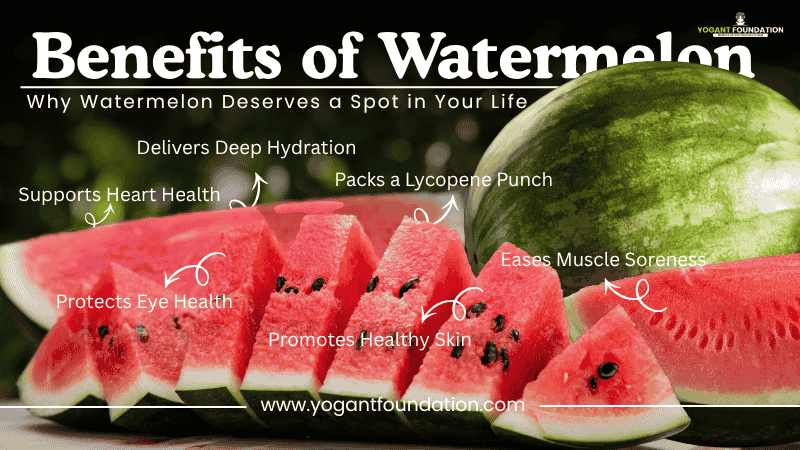
Why Watermelon Deserves a Spot in Your Life
Before we get into the how-to’s, I want to talk about why this fruit (or vegetable, depending on your state) is genuinely one of the best things you can put in your body.
It’s Basically Hydration in Solid Form
Watermelon is about 92% water. Think about that for a second. When you eat a few slices on a hot day, you’re not just satisfying a sweet craving—you’re actually hydrating your body in a way that feels effortless. I’ve noticed that on scorching summer afternoons, a bowl of cold watermelon does more to refresh me than a glass of water ever could. It’s like nature designed it specifically for July.
Your Skin Will Thank You
That beautiful red color comes from lycopene, a powerful antioxidant that helps protect your skin from sun damage and keeps it looking healthy. Some studies even suggest that watermelon has more lycopene than raw tomatoes. So while you’re enjoying that sweet treat, you’re also giving your skin a little extra love.
It Helps Your Heart and Muscles
There’s an amino acid in watermelon called citrulline that does something pretty cool—it helps relax your blood vessels and improve circulation. This is one reason why watermelon has been linked to lower blood pressure. And if you’re someone who exercises, you might appreciate this: some research suggests that watermelon (or watermelon juice) can help reduce muscle soreness after a workout. It’s like a natural recovery drink that actually tastes good.
It’s Weight-Loss Friendly
I’m not a fan of the word “diet,” but if you’re watching what you eat, watermelon is a fantastic choice. A whole cup has only about 45–50 calories, and it’s so satisfying that you don’t need a huge portion to feel like you’ve had something sweet. Plus, with all that water and fiber, it helps you feel full without weighing you down.
What Vitamins Are in Watermelon? The Nutrient Breakdown
People often assume watermelon is just sugar and water—and sure, it’s got both—but there’s actually some serious nutrition hiding in those pink slices.
Per 2-cup serving (about 280 grams):
- Calories: 80
- Vitamin C: 25% of Daily Value—essential for immune function and collagen production
- Vitamin A: 8% of Daily Value—supports vision, immune health, and skin integrity
- Thiamin (B1): 8% of Daily Value—helps convert food into energy
- Vitamin B6: 8% of Daily Value—important for brain development and mood regulation
- Potassium: 6% of Daily Value—supports heart and muscle function
- Magnesium: 6% of Daily Value—involved in hundreds of biochemical reactions
- Lycopene: 12–15 mg per cup—a standout antioxidant
And don’t throw away the seeds! Roasted watermelon seeds are actually packed with protein, magnesium, and zinc. They make a great crunchy snack if you’re feeling adventurous.
So when people ask what vitamins are in watermelon, the short answer is: a solid mix of C, A, B6, and some powerful antioxidants to boot.
How to Pick a Good Watermelon: Expert Strategies That Actually Work
This is the skill that changes everything. Learning how to pick a good watermelon is like learning to read a secret language. Once you know what to look for, you’ll walk through the produce aisle with confidence while everyone else is still randomly tapping melons.
The Field Spot Test | The Yellow Belly
Flip that watermelon over. Right now, in your mind, imagine turning it upside down. Look at the spot where it rested on the ground while growing. You want to see a creamy, butter-yellow patch. Not white. Not pale green. Yellow.
That yellow spot means the melon sat on the ground long enough to fully ripen. It soaked up sunshine, pulled nutrients from the soil, and developed real sweetness. A white or pale green spot? That melon was picked too early, and it probably tastes like disappointment.
I’ve been using this trick for years, and it’s never let me down. In fact, it’s the one thing watermelon farmers themselves swear by.
The Two-Finger Rule | Farmer-Approved
Here’s another one I learned from an actual watermelon grower. Look at the stripes on the melon. The dark green stripes should be about the width of two fingers apart. As the melon ripens, it expands, pushing the stripes further apart. If the dark stripes are too close together (one finger or less), that melon wasn’t ready.
The Weight Test
This one’s simple: pick up a few watermelons that look similar in size, and choose the heaviest one. Because watermelon is mostly water, a ripe, juicy melon will feel surprisingly heavy. That extra weight translates directly to flavor.
The Sound Test
Okay, now you can do the tapping thing—but only after you’ve checked the yellow spot and the stripes. Give the melon a knock with your knuckles. A ripe watermelon makes a deep, hollow sound, like a drum. Underripe melons sound higher-pitched. Overripe ones sound dull and flat.
What to Avoid
- Soft spots or bruises—these mean the melon is damaged or overripe.
- A shiny rind—a ripe melon should look dull and matte.
- A green stem—a brown, dried stem means it was cut at the right time. Green means it was likely picked too early.
Combine these tricks, and you’ll bring home a winner almost every single time.
How to Cut a Watermelon: Step-by-Step Methods for Every Occasion
Now let’s talk about the part that intimidates most people. I get it—standing there with a giant, round, slippery watermelon and a big knife can feel like a scene from a cooking show where something is about to go wrong. But cutting a watermelon doesn’t have to be stressful. With a few simple techniques, you’ll be slicing through like a pro.
Before You Start: Prep and Safety
- Wash the melon. Even though you’re not eating the rind, your knife will pass through it, and you don’t want any bacteria getting dragged into the flesh.
- Dry it off so it’s easier to grip.
- Secure your cutting board. Put a damp paper towel underneath so it doesn’t slide around.
- Use a sharp knife. A dull knife is dangerous and will crush the fruit instead of slicing it cleanly.
Method 1: Classic Wedges | For Picnics and Gatherings
This is the traditional way, and it’s perfect for outdoor meals where people can just grab a slice.
- Slice off a small piece from both ends so the watermelon sits flat.
- Stand it up on one cut end.
- Cut straight down through the middle to create two halves.
- Cut each half in half again to get quarters.
- Slice each quarter into 1-inch wedges.
That’s it. You’ve got classic watermelon wedges with the rind still on—a natural handle for easy eating.
Method 2: Sticks | Great for Kids and Dipping
This method has become popular for good reason. Sticks are easy to grab, perfect for dipping into yogurt or tajín, and kids love them.
- Cut the watermelon in half crosswise (around the middle, not top to bottom).
- Place one half cut-side down.
- Slice into 1-inch thick planks.
- Rotate and slice again to create sticks.
Method 3: Cubes | For Salads, Smoothies, and Freezing
If you want neat, uniform cubes for fruit salads or smoothies, this is your method.
- Trim both ends for stability.
- Stand the melon up and slice off the rind in strips, following the curve of the fruit until only the red (or pink) flesh remains.
- Cut the peeled melon into thick disks.
- Stack a few disks and slice into strips, then cubes.
Method 4: Half-Moons | For Beautiful Platters
This one gives you elegant curved slices that look beautiful on a platter.
- Cut the watermelon in half crosswise.
- Place each half cut-side down and slice into ½-inch thick half-moons.
How to Store Cut Watermelon
Once you’ve cut it, don’t leave it sitting out. Refrigerate within two hours. Store cubes or sticks in an airtight container, and they’ll stay fresh for about 3 to 5 days. If you want to freeze some for smoothies, cube it, spread it on a baking sheet until frozen, then transfer to a freezer bag. It’ll keep for months.
Common Mistakes to Avoid
Over the years, I’ve made just about every watermelon mistake possible so you don’t have to.
Skipping the wash. I used to think, “I’m not eating the rind, why wash it?” Then I realized the knife drags anything on the surface right through the flesh. Now I always give it a good scrub.
Using a dull knife. This is dangerous and frustrating. A sharp knife makes the job effortless.
Cutting on an unstable surface. A wobbly cutting board plus a round watermelon equals a recipe for a sliced finger. Secure that board.
Storing cut watermelon too long. It’s not going to last a week in the fridge. Plan to eat it within a few days.
Ignoring the yellow spot. This is the most reliable ripeness indicator. Don’t skip it just because you’re in a hurry.
Quick Comparison: Which Cut to Choose?
| Cut Style | Best For | Prep Time | Storage Life |
|---|---|---|---|
| Wedges | Picnics, casual gatherings | Quick | 3–4 days |
| Sticks | Kids, dipping, grab-and-go | Medium | 3–4 days |
| Cubes | Salads, smoothies, freezing | Longer | 3–5 days |
| Half-Moons | Elegant platters, plating | Medium | 3–4 days |
| Melon Balls | Desserts, drinks, garnish | Medium | 2–3 days |
A Few Watermelon Secrets You Probably Didn’t Know
You Can Eat the Rind
I know, it sounds weird. But the white part between the green skin and the pink flesh is completely edible and actually pretty nutritious. You can pickle it, stir-fry it, or blend it into smoothies. It’s a Southern classic for a reason.
Grilled Watermelon Is Amazing
If you’ve never tried this, you’re in for a treat. Slice watermelon into thick slabs (no rind), brush with olive oil, and throw it on a hot grill for a minute or two per side. The heat caramelizes the sugars and creates this incredible smoky-sweet flavor that’s perfect with feta cheese and fresh mint.
Seedless vs. Seeded
Seedless watermelons are convenient and what most of us buy. But some people swear that seeded varieties have a sweeter, more intense flavor. If you get a seeded melon, just cut it into quarters and run a knife along the seed line to lift them out before cubing.
Frequently Asked Questions (FAQ)
1. How do you pick a sweet watermelon?
Look for a large creamy-yellow field spot, a deep hollow sound when tapped, and a heavy weight for its size. The two-finger stripe rule also helps—dark stripes should be about two fingers apart.
2. What are the benefits of watermelon?
The watermelon is hydrating (92 % of it is water), contains anti-oxidants like citrulline to support heart health, and provides vitamins C, B6, and A. Also, it is naturally sweet and has low calories.
3. What vitamins are in watermelon?
Watermelon is rich in vitamin C, vitamin A, vitamin B6, and thiamin. It also contains potassium, magnesium, and the powerful antioxidant lycopene.
4. Is watermelon a fruit or vegetable?
Botanically, it’s a fruit—specifically a berry called a pepo. Culinarily, it’s treated as a fruit. But Oklahoma officially declared it the state vegetable in 2007, so you can honestly call it either.
5. Can diabetics eat watermelon?
Moderation is key. A typical serving (1 cup) of watermelon (which has a high Glycemic Index but a lower glycemic Load), has little impact on your blood sugar. Add a healthy fat or protein to improve blood sugar management.
6. How long does cut watermelon last in the fridge?
Properly stored in an airtight container, cut watermelon lasts 3 to 5 days. Always refrigerate within 2 hours of cutting.
7. Can you freeze watermelon?
Absolutely. Cube it, freeze on a baking sheet, then transfer to bags. It’s perfect for smoothies but will be mushy when thawed, so don’t expect to eat it fresh.
8. What’s the easiest way to cut a watermelon?
For beginners, the wedge method is simplest—trim both ends, halve the melon, quarter it, then slice crosswise. The rind stays on, giving you something to hold onto.
Conclusion: Your Watermelon Journey Starts Here
There’s a certain magic to the moment you bring home a flawless watermelon, slice it open, and hear that gratifying crack as it gives way. It’s one of those uncomplicated joys that truly defines the essence of summer.
Now you’ve got the tools to make that happen every single time. You know how to pick a good watermelon by looking for that creamy yellow spot and checking the stripes. Know how to cut a watermelon without stress or mess. You understand the benefits of watermelon beyond just the sweet taste, and you can confidently answer whether watermelon is fruit or vegetable and exactly what vitamins are in watermelon.
The watermelon stands at the local market or grocery store are now easy to navigate. Find the one with the yellow belly, give it a tap, and feel the weight in your hands. Take it home, slice it up, and enjoy every single juicy bite.
And if you’ve got a watermelon trick of your own—or a funny story about a melon that got the best of you—I’d honestly love to hear it. Drop it in the comments. Let’s keep the conversation going.
Now go find your perfect watermelon. It’s waiting for you.