Sadabahar Flower [सदाबहार]
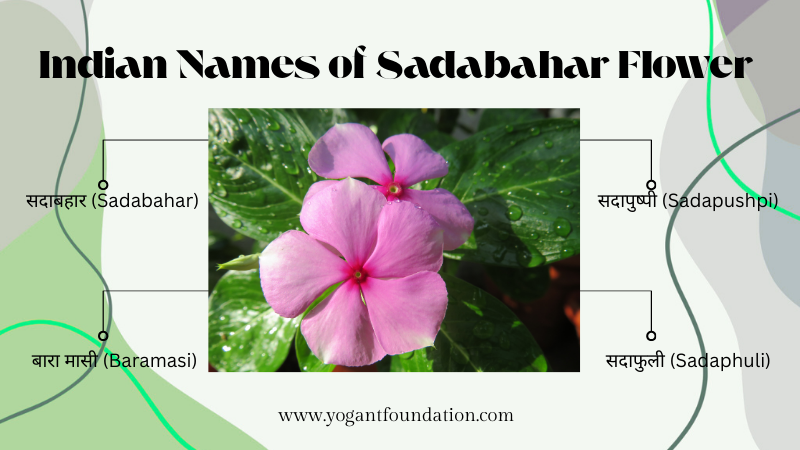
Sadabahar or Catharanthus roseus is one of the best-known medicinal plants in India. Indians commonly call it सदाबहार. Popularly called सदाबहार (Sadabahar), सदापुष्पी (Sadapushpi), सदाफुली (Sadaphuli), बारा मासी (Baramasi) in Indian households, this evergreen shrub is more than just a decorative garden plant.
Apocynaceae, a plant that is native to Madagascar and widely cultivated throughout India, has medicinal, decorative, and spiritual benefits. Sadabahar stands between 1.2 and 2.5 meters high and has attractive, white, lavender, pink, or green flowers. These blooms are present throughout the whole year.
सदाबहार rich medicinal potential is what sets it apart. Over 70 alkaloids are found in this plant, such as vincristine and Vinblastine. These two compounds have been widely acknowledged for their cancer-fighting properties. In Ayurveda, the leaves, flowers, and stems of this plant are used to treat Diabetes as well as skin disease, bleeding disorders, and many other conditions.
Sadabahar
- Latin name: Catharanthus roseus
- Common Names: Periwinkle, Rosy periwinkle, Madagascar periwinkle, Cape periwinkle, old maid
- Indian Names: Sadabahar, Sadapushpi, Sadaphuli, Baramasi
- Sanskrit Name: नित्यकल्याणि (Nityakalyani)
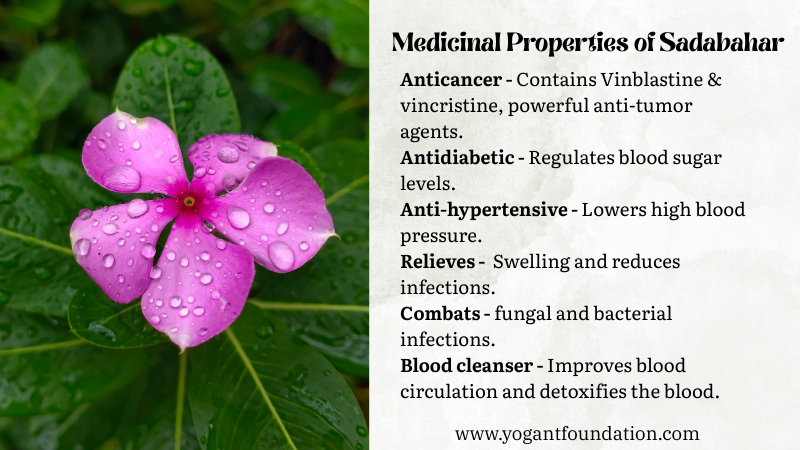
Medicinal Properties of Sadabahar
Ayurveda refers to सदाबहार (as a Rasayana or rejuvenating herb). The plant’s whole structure is full of phytochemicals and bioactive components that confer it with multiple therapeutic benefits:
- Anticancer – Contains Vinblastine & vincristine, powerful anti-tumor agents.
- Antidiabetic – Regulates blood sugar levels.
- Anti-hypertensive – Lowers high blood pressure.
- Relieves – swelling and reduces infections.
- Combats – fungal and bacterial infections.
- Blood cleanser — Improves blood circulation and detoxifies the blood.
Sadabahar Uses & Effectiveness
1. Diabetes (Madhumeh)
Sadabahar can be used to cure Type 2 Diabetes Mellitus using Ayurveda.
- How to Use: On an empty stomach, chew three or four leaves and follow with a glass of water. It can help regulate blood sugar.
- Flower remedy – Soak 3 pink roses in half a glass of warm, lukewarm water for about 5 minutes. Removing the petals, drink the warm water first thing in the morning. After 8-10 days, recheck the sugar levels.
In Hindi:
- अगर आप या आपके कोई अपने मधुमेह (डायबिटीज) को प्राकृतिक तरीके से मैनेज करना चाहते हैं, तो हमारे बाग़-बगीचों में मिलने वाला सदाबहार का पौधा एक छोटा सा चमत्कार लिए खड़ा है।
- बुजुर्गों का एक पुराना और आज़माया हुआ नुस्ख़ा है – सुबह उठकर, खाली पेट, सदाबहार के ३-४ कोमल (हल्के, नए) पत्तों को अच्छी तरह चबाएं और उनका रस चूस लें।
- ध्यान रहे, पत्तों को निगलें नहीं, बल्कि उनके रस को ही ग्रहण करें। इसके बाद ऊपर से एक-दो घूँट साफ़ पानी पी लेना फ़ायदेमंद रहता है, क्योंकि इससे पत्तों के रस के गुण अच्छे से शरीर में फैल जाते हैं।
- यह कोई जादू की गोली नहीं है जो रातों-रात असर दिखाएगी। इसे एक रोज़ाना की अच्छी आदत की तरह अपनाइए। लगातार तीन महीने तक इसका नियमित रूप से पालन करने पर कई लोगों को अपना ब्लड शुगर नियंत्रण में आता हुआ महसूस होता है।
- एक ज़रूरी और दोस्ताना सलाह:
- यह एक पारंपरिक घरेलू उपाय है, और इसने कई लोगों के लिए काम किया है। लेकिन मधुमेह एक गंभीर स्थिति है। इस प्रयोग को शुरू करने से पहले, अपने डॉक्टर से एक बार ज़रूर सलाह ले लें, खासकर यदि आप पहले से ही कोई दवा ले रहे हैं। अपने डॉक्टर की सलाह को कभी भी नज़रअंदाज़ न करें। यह प्रयोग आपकी मेडिकल ट्रीटमेंट में एक सहायक की भूमिका निभा सकता है, लेकिन उसकी जगह नहीं ले सकता।
2. Cancer Patients
Sadabahar Alkaloids such as Vincristine and Vinblastine are used today in modern medicine to treat Hodgkin’s disease, Leukemia, or other cancers.
- Ayurvedic application: Decoctions from leaves and stems may be used in tumor management under expert supervision.
- Be aware: never use raw extracts of periwinkles to treat cancer. Always consult your physician.
3. Nosebleeds and Bleeding Conditions
सदाबहार has hemostatic properties, meaning it can stop bleeding.
- To stop nosebleeds, spray the fresh leaf inside your nostrils.
- Also helps with swollen gums, sore throats, and mouth ulcers.
4. Brain Health & Circulation
Sadabahar boosts the blood circulation of the brain. The traditional use of this herb has included:
- Enhance mental clarity.
- How to prevent premature aging of brain cells.
- Improve productivity through concentration.
5. Respiratory Diseases
It has been proven that the plant is effective in treating coughs, sore throats and lung congestion. Some people use a decoction of mild leaves to help treat this condition.
6. For Skin & Wound Healing
सदाबहार leaves, when used on the outside, can:
- Recover minor wounds from cuts and insect bites.
- Pain relief stings of bees
- This antimicrobial treatment is effective for mild skin conditions.
7. For Piles (बवासीर)
In case of Piles, crush the Leaves and Flowers of Sadabahar and apply on the affected area. Doing this every night before sleeping gives quick relief.
In Hindi:
- बवासीर होने पर सदाबहार के पत्ते और फूलों को कुचलकर प्रभावित स्थान पर लगाएँ।
- इसे रोज रात को सोने से पहले करने से तेज़ आराम मिलता है।
Sadabahar Side Effects & Safety Concerns
सदाबहार offers many health benefits, but it should be used only with caution. Self-medication at high doses can be dangerous.
- Pregnancy, Breastfeeding, and Unsafe. Avoid completely.
- Constipation may aggravate the condition because of the drying effect.
- People already hypotensive should avoid using it because it will lower their blood pressure.
- Stop using it 2 weeks prior to surgery, as this may alter blood pressure levels.
- High doses of periwinkle extracts may cause nausea and even vomiting. You may feel dizzy, or have an even stroke if you take too much.
If you plan to use this product for an extended period of time, always consult with a qualified Ayurvedic physician or other healthcare provider.
Why Every Home Needs a Sadabahar Plant: The Benefits Beyond Beauty
It’s pretty. But what will it actually do for you? Oh, so much more than just sit there looking cute.
1. It’s the Gift That Keeps on Giving (Flowers, That Is)
This is the most obvious magic. While other plants have their fleeting moment of glory—a glorious burst of blooms that lasts a week—the Sadabahar plant is the steady, reliable performer. It’s the hardworking background singer who also happens to have a stunning solo voice, all year round.
I have a pot on my sunny balcony, and it’s a constant source of joy. On gray, rainy days or in the blazing heat of summer, there it is, with a handful of fresh flowers, stubbornly insisting that everything is okay. It’s perfect for:
- Adding pops of color to your garden borders.
- Brightening up balconies and windowsills in containers.
- Spilling beautifully out of hanging baskets (some varieties are perfect for this!).
2. It’s a Walking, Talking (Well, Growing) Pharmacy
This is where the Sadabahar plant truly transcends from “ornamental” to “awe-inspiring.” For generations, our grandparents have turned to this plant not just for beauty, but for wellness.
A Heartfelt Disclaimer Before We Continue: I’m a plant lover, not a doctor. The following is shared from a place of tradition and wonder. Please, please talk to a qualified healthcare professional before using any plant medicinally.
- A Traditional Ally for Blood Sugar: Many families, including my own, have stories of using a leaf or two on an empty stomach to help manage diabetes. It’s one of its most well-known roles in home remedies.
- A Natural Healer: A paste made from the leaves has been used for generations to clean and help heal minor wounds and cuts.
- Its Greatest, Life-Saving Secret: And this one still gives me chills. The modern world’s medicine owes a huge debt to this humble plant. The Sadabahar plant is the original source of two powerful compounds, Vincristine and Vinblastine, which are used in chemotherapy to treat several types of cancer. Just let that sink in. The plant smiling at you from your kitchen window is related to one of the most important medical discoveries of our time. How incredible is that?
3. It’s Got Good Vibes: Vastu and Astrology
In our culture, plants are so much more than decor; they’re part of the energy of our home.
- The Mercury Connection:According to some, the Sadabahar Plant is under the control of the planet Mercury. The positive effects of Mercury can be strengthened by nurturing one.
- Vastu Shastra: Placing this plant in your garden, particularly in the North or East direction, is thought to invite positive energy, harmony, and good fortune into your home. This is like a good luck charm that’s alive and breathing.
4. It’s the Ultimate “I Can’t Keep Anything Alive” Plant
Listen, if you’ve ever felt the shame of a wilt, a yellow leaf, or a dramatic plant demise, this is your plant. The Sadabahar plant is famously forgiving. It doesn’t hold a grudge if you forget to water it for a few days. It’s resilient, tough, and wants to live. Growing one is like getting a constant, silent high-five from nature. You can do this!
The Right Foundation: It’s All About the Soil
Here’s the golden rule: The Sadabahar plant hates wet feet. Its number one enemy is soggy, waterlogged soil.
My go-to mix is simple: Two parts regular garden soil, one part compost (for food), and one part river sand or perlite (for drainage). This creates the perfect, fluffy home for its roots.
Sadabahar (Home Remedies – How to use them)
Diabetes:
- Chew 3-4 leaves daily.
- Pink flowers infuse the water.
Piles:
- Make a paste from leaves and flowers, then apply it to the affected skin area.
Bee Stings:
- Apply fresh leaf juice to the sting.
Nosebleeds:
- Add 1-2 drops of freshly squeezed leaf juice inside the nostrils.
Sore Throat:
- To gargle, use a mild Sadabahar-leaf decoction.
Spiritual & Cultural Significance
Sadabahar could be viewed as a sacrosanct plant.
- सदाबहार (positive energy) is a popular plant in India that’s grown by households to promote.
- The ever-blooming flowers symbolize eternal prosperity (नित्यकल्याणि).
- Flowers can be part of pujas in certain traditions to demonstrate devotion towards the deities.
Conclusion
सदाबहार(Catharanthus rosaeus), also called Madagascar Periwinkle or Madagascar Periwinkle has an immense amount of medicinal, religious, and cultural value. This evergreen plant is use to treat diabetes, cancer, and high blood sugar.
Sadabahar’s powerful alkaloids, though effective in treating mild health conditions, can become toxic when mishandled. You should only use the raw plant remedy with guidance. Do not substitute prescribed medication.
Sadabahar serves as a bridge for modern medicine and traditional Ayurvedic healers by respecting Sadabahar and using her power.
Read Blogs: Deep Benefits of Ashtanga Yoga – 8 limbs of yoga