
Butterfly Pea Flower Tea: The Brain-Boosting Brew
Have you ever stared at your third cup of coffee, feeling jittery and knowing you need to cut back on caffeine—but dreading the blandness of plain water? Or perhaps you’ve been hunting for a natural wellness drink that actually tastes good and looks beautiful enough to post on Instagram? You’re not alone. Millions of people are searching for drinks that nourish the body without the side effects of caffeine crashes. The butterfly pea flower tea (blue tea) is the answer. This stunning blue-purple infusion has enjoyed in Southeast Asia quietly for decades and now it’s getting global recognition.
This isn’t just another passing health fad. The fascinating blue tint is the result of a blend between traditional wisdom, and modern science. If you are a newbie to herbal teas and want to increase your collection or an experienced enthusiast who is looking to enhance their existing collection, then this guide can help you learn everything that you need to. From the Butterfly pea flower benefits up to the perfect Blue tea preparation technique.
What Is Butterfly Pea Flower Tea? (Blue Tea)
Butterfly pea floral tea (also known as blue tea) is a herbal infusion that does not contain caffeine. The dried petals are from the Clitoria trinatea plant which grows natively throughout tropical Southeast Asia. This includes India, Thailand, Malaysia, and other countries. Blue tea is made from dried flowers that contain anthocyanins – the same antioxidants as blueberries or purple cabbage. This gives them their signature color of blue and most of their therapeutic benefits. The dried flowers are steeped with hot water to release vibrant blue color and a subtly floral, earthy flavor.
This definition captures the essence, but there’s so much more to unpack. The butterfly pea flower tea plant (known as Aparajita in Hindi, Shankhpushpi in Sanskrit, and Bunga Telang in Malay) belongs to the Fabaceae family—yes, it’s a legume relative. What makes it extraordinary is its polyacylated anthocyanins, specifically compounds called ternatins, which are much more stable than anthocyanins found in other plants. This stability is why the blue color persists even when brewed, unlike some berry teas that quickly brown.
Why Butterfly Pea Flower Tea Deserves Your Attention
Let’s address the elephant in the room: the tea world is crowded. Green tea dominates health conversations. Matcha has its devoted following. So why should you care about blue flower tea? Three compelling reasons stand out.
First, butterfly pea flower tea is truly caffeine-free, unlike green or black tea. Those can disrupt sleep or cause anxiety; this offers a calm, stimulant-free alternative. This makes it ideal for late-afternoon sipping, for pregnant women seeking herbal alternatives (with medical guidance), and for anyone sensitive to caffeine’s effects.
Second, it’s a natural pH indicator. Add a squeeze of lemon, and watch the tea transform from deep blue to vivid violet before your eyes. It’s not just a novelty, but an empirical demonstration of how the pH changes affects anthocyanins. This interactive show will captivate both kids and adults.
Third, the emerging research is genuinely interesting. While Dr. Andrew Weil correctly notes that large-scale human studies are still lacking , the foundational science provides reasonable grounds for cautious optimism. The tea is overwhelmingly considered safe for moderate consumption, so you can explore its benefits without significant risk.
The Science-Backed Blue Tea Benefits You Should Know About
When exploring blue tea benefits, it’s essential to distinguish between established traditional use, laboratory findings, and conclusively proven human effects. Let’s examine what the research actually says.
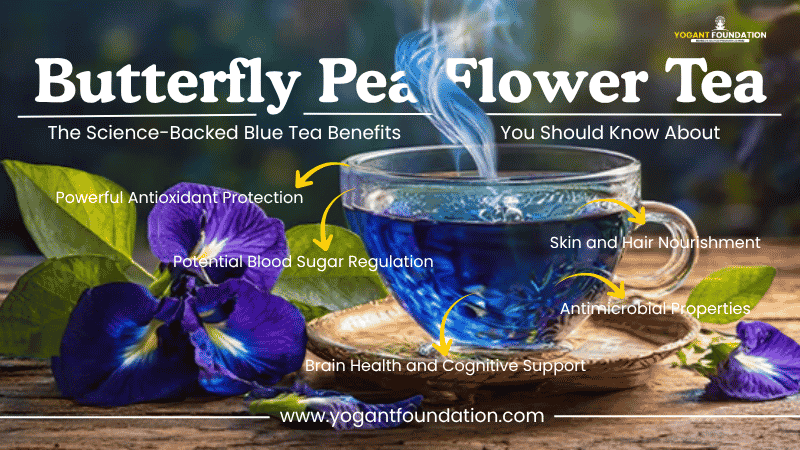
1. Powerful Antioxidant Protection
This is the most well-established benefit. Butterfly pea flower tea are load with anthocyanins, flavonoids, and polyphenols—compounds that neutralize free radicals before they can damage your cells. Free radical damage (oxidative stress) contributes to premature aging, chronic inflammation, and various degenerative diseases. Studies in the laboratory have consistently shown that methanol and butterfly pea extracts both exhibit powerful free radical-scavenging properties.
What does this mean for you practically? Consuming antioxidants-rich drinks helps you body keep its defense systems. It’s like giving your cell armor to protect them from daily stressors.
2. Potential Blood Sugar Regulation
A number of studies examined the effects of butterfly peas on blood glucose. BMC Complementary and Alternative Medicine published a research that examined how Clitoria (ternatea) flower beverages affected the glycemic response of healthy subjects. The results suggested that the extract moderated glucose and insulin levels when consumed with a sugar-water mixture.
Animal studies provide further support. In streptozotocin-treated rats (a model for diabetes), aqueous extracts of Clitoria ternatea demonstrated antihyperglycemic activity—meaning they helped lower elevated blood sugar. Researchers observed increased glucose absorption and glycogen deposition, as well as improvements in key metabolic enzymes.
The blue tea does not replace the diabetes medication. But it is a good complementary beverage that can help those who have blood sugar issues. You should consult with your physician if you already take diabetes medications before adding the blue tea into your regular routine.
3. Brain Health and Cognitive Support
Since ancient times, the butterfly pea flower tea plant has been used as an aid to memory and clarity in Ayurvedic medicines (its Sanskrit names “Shankhpushpi”, which reflects its traditional use), The ancient claim is being confirmed by modern science.
The 2023 research on rats that had chronic cerebral hyperperfusion (reduced flow of blood to the brain), found bio-enhanced portions of Clitoria trinatea root extracted improved cognitive and memory function. Evidence also suggested enhanced neuroplasticity at the hippocampus, a region in the brain critical for learning and remembering.
While human trials are needed, the preliminary evidence combined with centuries of traditional use makes butterfly pea tea an appealing choice for those interested in long-term brain health. The tea is sometimes described as having nootropic potential.
4. Skin and Hair Nourishment
It is possible that the same antioxidants which fight internal cellular damage can also improve your appearance. They can also accelerate the aging process by accelerating collagen breakdown. The anthocyanins present in blue-tea may maintain skin flexibility and help to reduce the visible signs of ageing.
In Southeast Asia, butterfly peas are used as part of traditional hair care treatments. These flowers are said to promote hair growth and strengthen the hair follicles. Even though the evidence is mostly anecdotal for blue tea hair benefits, it’s minerals, zinc and iron included – provide nutrients that help support healthy growth of hair.
5. Antimicrobial Properties
Laboratory studies have revealed that butterfly pea flower extracts possess antibacterial and antifungal activity. Research published in pharmaceutical journals demonstrated that methanol extracts of Clitoria ternatea flowers inhibited the growth of various pathogens, including Staphylococcus aureus (a common cause of skin infections), Pseudomonas aeruginosa, Klebsiella pneumoniae, and certain E. coli strains.
Additionally, proteins isolated from butterfly pea seeds have shown antifungal effects against clinically relevant yeasts like Candida albicans. Drinking the tea won’t cure an active infection, but regular consumption may help to contribute to your overall microbial balance.
6. Mild Anti-Inflammatory Effects
Chronic inflammation underlies numerous modern diseases, from arthritis to cardiovascular conditions. The flavonoids and anthocyanins in butterfly pea flowers exhibit anti-inflammatory properties in laboratory setting. Dr. Weil acknowledges the anti-inflammatory potential suggested by preliminary studies, though he appropriately notes that more human research is needed to confirm these effects at typical tea-drinking doses.
7. Weight Management Support
Some evidence suggests blue tea may assist with weight management goals. A 2019 molecular study published in the journal Molecules found that butterfly pea flower extract inhibited the development of fat cells (adipogenesis) in a laboratory setting. This does not directly translate into weight loss in humans, but it does provide a plausible mechanism that should be explored further. Regardless, the tea is naturally calorie-free, so an excellent substitute for sugary drinks.
How to Make Blue Tea: A Complete Step-by-Step Guide
The best way to get the flavor and health benefits of the blue flower tea is to know how to make it properly. This guide contains both hot and cold preparations.
Classic Hot Blue Tea
Ingredients:
- 1 tablespoon dried butterfly pea flowers (approximately 8-10 flowers)
- 2 cups (480ml) water
- 1 teaspoon honey or maple syrup (optional)
- Lemon wedge (optional, for color change)
Instructions:
Step 1: Heat the water. Bring fresh, filtered water to a full boil (approximately 212°F / 100°C). Butterfly pea flowers release their color best with water that’s truly boiling, not just hot.
Step 2: Add the flowers. Place dried butterfly pea flowers in a teapot, French press, or directly in your cup using a tea strainer. Pour the boiling water over the flowers.
Step 3: Steep properly. Cover with a lid to retain heat and steep for 3-5 minutes. You’ll watch the water transform into a brilliant blue. Longer steeping intensifies the color and earthy notes—but steep beyond 7 minutes, and bitterness may develop.
Step 4: Strain and sweeten. Remove the flowers (or strain into your cup). If desired, stir in honey or maple syrup until dissolved.
Step 5: Optional—add lemon. Squeeze fresh lemon juice into the tea and stir. Watch as the pH change transforms your blue tea into a stunning purple-violet. This isn’t just visually appealing; the lemon adds vitamin C that may enhance your body’s absorption of the tea’s antioxidants.
Refreshing Iced Blue Tea
Step 1: Brew the tea using double-strength concentration—use 2 tablespoons of flowers for 2 cups of water—following the hot brewing method above.
Step 2: Allow the tea to cool to room temperature, then refrigerate until chilled.
Step 3: Serve over ice with optional fresh mint leaves, a cinnamon stick, or a splash of coconut water for tropical flair.
Blue Tea Latte (Butterfly Pea Latte)
For a creamy, dreamy variation that’s become popular in cafes:
Step 1: Brew a concentrated blue tea (2 tablespoons flowers per 1 cup water).
Step 2: Warm your milk of choice (coconut and oat milk pair beautifully) and froth if desired.
Step 3: Pour the warm milk over the blue tea concentrate. Add vanilla extract or a touch of lavender syrup for an elevated experience.
Common Mistakes to Avoid When Making Blue Tea
Even experienced tea drinkers can trip up with butterfly pea flowers. Here are the most frequent mistakes and how to avoid them.
Use water that isn’t hot enough. Butterfly pea flower needs boiling water for proper release of anthocyanins, unlike delicate green tea which requires cooler water. The tea will be weak with pale color and limited flavor if you use lukewarm or cold water.
Over-steeping without tasting. While 5 minutes is the standard recommendation, your perfect steep time may vary. Taste after 3 minutes and decide if you want a stronger brew. Leaving flowers to steep indefinitely results in astringent, bitter tea.
Skipping the lid. Without a cover, heat escapes rapidly, reducing extraction efficiency. Always cover your teapot or cup while steeping.
Adding lemon before removing flowers. If you plan to reuse your flowers for a second infusion, add citrus only after straining. Lemon juice will alter the flowers for subsequent brews.
Discarding flowers after one use. Quality butterfly pea flowers can often be steeped 2-3 times. The second infusion will be lighter in color but still flavorful.
Practical Tips and Expert Strategies
Buy whole flowers when possible. Pre-packaged tea bags are convenient, but whole dried flowers give you better control over strength and allow multiple infusions. Look for deep blue petals without browning. If using tea bags, seek brands using organic corn-based mesh rather than plastic-sealed bags.
Store flowers properly. Keep dried butterfly pea flowers in an airtight container away from light and moisture. Properly stored, they maintain potency for up to a year.
Experiment with flavor combinations. Blue tea has a mild, earthy flavor that pairs beautifully with lemongrass, ginger, mint, cinnamon, or vanilla. Don’t hesitate to create your own signature blend.
Leverage the color change. If you are entertaining guests, serve the blue tea with lemon wedges on the side and let everyone experience the color transformation themselves. It’s an unforgettable conversation starter.
Time your consumption wisely. Since this is caffeine-free, blue tea is perfect for afternoon and evening drinking. Some people find its mild sedative properties helpful before bedtime.
Comparison: Blue Tea vs. Green Tea
Choosing the healthiest herbal drinks is easier when you can compare their health benefits.
Both teas can provide health benefits. You may want to include both in your wellness regime. In addition to its metabolic and cardio benefits, blue tea also contains antioxidant compounds that have their own possible advantages.
Safety Considerations and Potential Side Effects
Butterfly pea flower tea is generally recognized as safe for most people when consumed in moderate, food-like amounts (1-2 cups daily). But some groups need to be careful.
Who Should Be Careful?
Pregnant and breastfeeding women. Safety data for pregnancy and lactation are insufficient. While the tea has traditional use in some cultures during pregnancy, Western medical authorities recommend avoiding it without explicit healthcare provider approval.
People taking prescription medications. Those on diabetes medications, blood thinners, blood pressure drugs, or diuretics should consult their healthcare provider before regular consumption. Herbal products can interact with these medications or produce additive effects.
Individuals with known allergies. Butterfly pea belongs to the Fabaceae (legume) family. If you’re allergic to beans, peas, peanuts, or other legumes, exercise caution.
Pre-surgery patients. Stop consuming herbal products, including butterfly pea tea, at least 1-2 weeks before scheduled surgery unless your surgeon advises otherwise.
Possible Side Effects
Most people tolerate blue tea without issues, but potential concerns include:
- Digestive upset. You may have an upset stomach, nausea or loose stools, particularly if you drink stronger brews or concentrated extracts.
- Allergic reactions. Rare but possible. Discontinue use and seek medical attention if you develop hives, swelling, or breathing difficulties.
- Histological effects with long-term high doses. An animal study from Universitas Gadjah Mada observed very mild liver and kidney changes in rats given high-dose butterfly pea flower tea infusions over extended periods. The researchers concluded the infusion is “relatively safe” but suggested it should not be consumed “over an extended period” at high doses. This underscores the importance of moderation.
Start with one cup a day, see how your body reacts, then increase gradually if you feel like it. Stick with food-like amounts rather than concentrated supplements, as safety data for extracts is limited.
Frequently Asked Questions
Does blue tea contain caffeine?
No, butterfly pea flower tea is completely caffeine-free, making it an excellent choice for evening consumption or for those sensitive to stimulants.
Why does blue tea turn purple when lemon is added?
This is because of the pH-sensitivity of the blue pigments, anthocyanins. Lemon juice (which has an acidic pH) reduces it, and the molecule structure of anthocyanins is altered. They reflect light differently, so the color changes from blue into purple or violet. The color can be shift back to blue by adding a little baking soda.
How many cups of blue tea can I drink per day?
For most healthy adults, 1-2 cups of standard-strength infusion daily is consider a conservative, food-like amount. No ceiling has been established, but in the absence of much data on the long-term safety of higher doses, it is wise to use them judiciously.
Can I drink blue tea every day?
Yes, daily consumption of moderate amounts appears safe for most people. The key word is moderation—1 to 2 cups daily rather than excessive quantities. Listen to your body and adjust accordingly.
Does blue tea help with weight loss?
Blue tea shows potential to support weight management through multiple mechanisms: it’s calorie-free (when unsweetened), may help moderate blood sugar responses , and laboratory studies suggest possible fat-cell-inhibiting properties. However, no human weight loss trials have been conducted, so claims of “melting fat” are marketing exaggerations. It’s best viewed as a helpful addition to a comprehensive weight management plan.
Does blue tea help with anxiety or sleep?
Traditional Ayurvedic texts describe butterfly pea flower tea as having calming, sedative properties and it has been used to pacify the mind. While clinical studies on anxiety specifically are lacking, the tea is caffeine-free and many people find the ritual of drinking warm herbal tea inherently relaxing. The combination of warmth, mild earthy flavor and the fact that it’s caffeine-free makes it just right for evening wind-down rituals.
Can I reuse butterfly pea flower tea for multiple infusions?
Yes. Quality dried flowers can typically be steeped 2-3 times. The second infusion will be lighter in color and flavor, but still good. Add an extra minute to the next infusion to compensate for the weaker brew.
The Bottom Line: Should You Start Drinking Blue Tea?
Butterfly pea flower tea occupies an interesting position in the wellness landscape. It’s not a miracle cure—honest enthusiasts and researchers alike acknowledge that large-scale human studies are need before we can make definitive health claims. But it’s also not just hype. The antioxidant content is genuine, the traditional use spans centuries, and preliminary research provides reasonable scientific plausibility for many of its purported benefits.
What makes blue tea worth trying isn’t any single dramatic benefit. It’s the combination: a caffeine-free beverage that looks stunning, tastes pleasant, provides antioxidants, may support metabolic health, and turns purple when you add lemon—all while being generally safe for daily consumption.
If you’re curious about butterfly pea flower tea, the barrier to entry is low. You can find dried flowers or tea bags online or at specialty tea shops. Brew a cup. Watch the water turn blue. Squeeze in some lemon. If you enjoy the experience, you’ve found a new addition to your wellness routine. If not, you’ve only invested a few dollars in an experiment.
But if you’re pregnant, taking medications, or managing chronic health conditions, have that conversation with your healthcare provider first. Responsible wellness is knowing when to seek personalized medical advice.
So, are you ready to try the magic of blue tea? Just get some organic dried butterfly pea flowers, boil some water and try it tonight. Your caffeine-free evening ritual might never be the same.