
Introduction to the Best Food for Gut Health
Do you enjoy bloating after food, gradual digestion, or experience like your body isn’t always digesting meals properly? You’re now not by myself. Around the world, many people experience similar stomach pain that drains their energy and weakens their immune system. These problems generally arise from the gut; however, fortunately, many can be self-managed, i.e., you have a say over your digestive health. We can help you build a digestive system that works for you. The initial step is to find the best food for gut health. You will discover why nourishing food choices and digestion-supporting behaviours help. This journey will also combine yoga asanas and other natural practices for digestive health.
The mystery is not eating a lot much less; it is ingesting more kinds of foods the microbiome likes! This includes eating more fermented ingredients, which incorporates kimchi or kefir, and incorporating prebiotic-rich meals and anti-inflammatory spices. Along with those food regimen changes, respiratory sporting events and fundamental twisting yoga postures can stimulate digestion and reduce gas. Instead of clearly treating signs and symptoms and signs, this approach focuses on expertise and resolving their underlying reasons.
What is the Best Food for Gut Health?
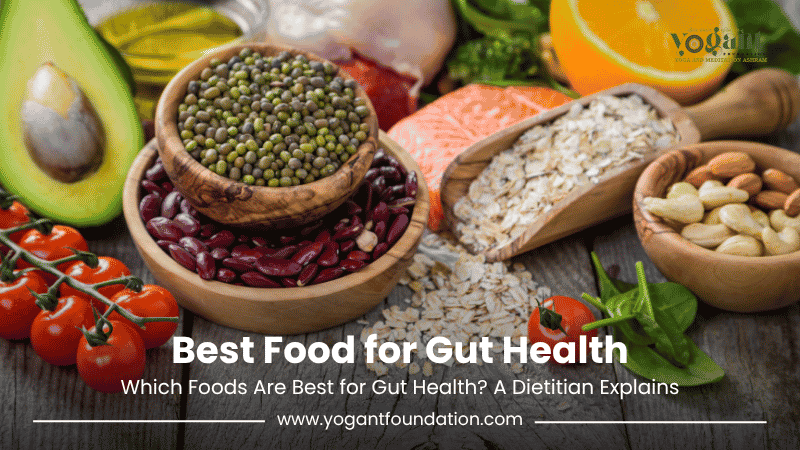
Gut-healthy foods also tend to contain probiotics and relatively high fiber. Often, the answer is to eat more fibre-rich foods to support your body. These include kefir, Greek yogurt, and sauerkraut. Also, adding prebiotic foods — like greens and berries — to your meals can be extremely beneficial.
The Importance of a Healthy Gut
Your gut microbiome (or trillions of bacteria, fungi, and microbes) profoundly affects your health. As such, beyond biogeochemical cycling and food degradation, your microbiome appears to be deeply involved in many aspects of your health.
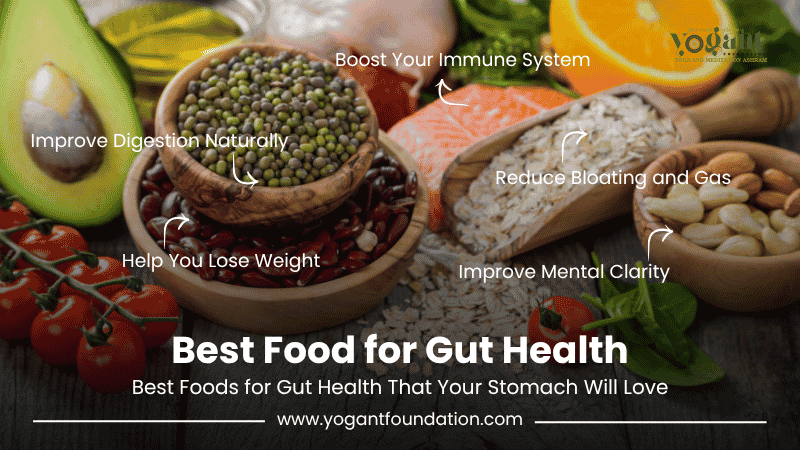
- Immune System Regulation: Most of your immune system is located in your gut. When your gut microbiome is balanced, your immune system works better.
- Mental Health: A healthy gut is also linked to better mental well-being.
- Nutrient Absorption: The gut microbiome is crucial for helping your body absorb the nutrients from the food you consume.
- Reduced Inflammation: An unhealthy gut microbiome can lead to inflammation throughout your body. On the flip side, a healthy gut can help reduce this inflammation.
The Best Food for Gut Health
Probiotics are live microbes that may support gut health. Once these organisms reach the digestive tract, they help in moderation while supporting a variety of good bacteria. Some companies boast that their probiotic foods include “live and active cultures” as a sign of the product’s efficacy.
1. Kefir
It’s a probiotic fermented milk drink. It contains as tons as 12 wonderful strains of probiotics, which is a lot greater than maximum yogurts. For example, one cup would possibly contain traces including Lactobacillus and Bifidobacterial, which assist digestive health. Because it’s miles fermented, it is also generally 99% lactose-loose, so it is steady for folks that are lactose intolerant as properly. It is also a superb deliver of protein and calcium.
- How to Enjoy: Drink it simple, combo it into smoothies, or use it as a base for salad dressings.
2. Greek Yogurt
Greek yogurt is every other tremendous probiotic option, like different assets. Each serving contains 14 grams of protein and offers genuine quantities of B vitamins, potassium, and calcium. It’s a extremely good preference for a nutrient-rich breakfast or a snack throughout the day.
- How to Enjoy: Greek yogurt pairs properly with fiber-packed raspberries or can be used as a more fit opportunity to bitter cream in dips.
3. Fresh Sauerkraut & Kimchi
Similar to sauerkraut, kimchi is full of lactic acid bacteria and vitamin C. While kimchi contains various spices, sauerkraut mainly relies on a simple salt mix. Fresh kimchi has many benefits from its lactic acid bacteria, but older varieties may not. You can find both fresh kimchi and sauerkraut in the refrigerated sections of stores.
- Pro Tip: Focus on getting the refrigerated unpasteurized versions of both, as the heat from the process kills the probiotic bacteria.
- How to Enjoy: Add sauerkraut and kimchi to salads, sandwiches, and grain bowls. Trust us, it will be tasty and nutritious.
High-Fiber Fruits for Digestion
While probiotics introduce appropriate bacteria, prebiotics feed them. High-fiber quit quit end result are a number of the outstanding prebiotic assets, helping your gut microbiome flourish.
Best Fruits to Support Gut Health
- Raspberries: A cup of raspberries provides a whopping 8 grams of dietary fiber.
- Pears: A medium pear provides about 5.5 grams of fiber, especially if you eat the skin.
- Apples: An apple with its skin packs about 4.5 grams of fiber.
- Guava: A fantastic option, especially common in Indian summers, a medium guava can offer over 5 grams of fiber, supporting regular bowel movements.
- Bananas: They provide resistant starch, a type of fiber that benefits gut bacteria and helps produce postbiotics that improve your gut lining.
Natural Remedies for Bloating
If you’re looking for natural remedies for bloating, several effective strategies can help.
1. Embrace Bitter Herbs and Carminatives: Bitter and carminative herbs are invaluable for helping you avoid or reduce postmeal bloating. Bitters (such as dandelion and gentian) stimulate digestion, while carminative herbs (i.e., peppermint, ginger, fennel) relax the muscles in your gastrointestinal tract to help dissolve gas. And yes, you guessed it: herbs like peppermint, ginger, turmeric, and chamomile work well, too.
- How to Use: Drink a cup of peppermint or ginger tea after a meal, or add bitter greens like arugula to your salads.
2. Sip on Apple Cider Vinegar: Diluted apple cider vinegar is another special piece of food stuff too; it can perk up digestive juices, and the stomach acid needs to break down foods.
3. Practice Mindful Eating: Just as critical as what you devour is the way you devour. Bloating can take region in case you consume too rapid, under stress, or even as multitasking. Before you devour, take a few deep breaths and chew slowly—this could decorate digestion.
Best Smoothie Ingredients for Gut Health
Smoothies are a delicious, clean, and quick manner to mix each prebiotics and probiotics in a single with out issues digestible meal. Add in your blender some particular intestine health factors:
A Powerful Gut-Healthy Smoothie Base
- Liquid Base: Coconut water for hydration and electrolytes, or a sprint of kefir for flavour and probiotics.
- Fruits With a Prebiotic Effect: frozen mango, banana, and kiwi are full of fiber!
- Probiotics – Couscous with a fermented bacterial take into account variety, such as half of a cup of coconut-milk yoghurt or Greek yoghurt.
- Digestive enzymes: Pineapple contains bromelain, which aids protein digestion and decreases inflammation.
- Anti-bloating enhance: A teaspoon of grated ginger can help digestion and calm the belly.
Gut-Healing Yoga Asanas
Beyond diet, certain twisting exercises can ease the stomach and support digestion. These also help massage the internal organs, release gas, and improve blood circulation.
1. Pawanmuktasana (Wind-Relieving Pose) – An Abdominal Compression Asana
This movement is called Abdominal Compression Asana. As the abdomen compresses, it lets in eliminate fuel which can cause fatigue. It lightly massages the digestive organs, stimulating digestion and relieving constipation.
Steps to Follow:
- Find a place to lie flat on your back, either on a yoga mat.
- Inhale and lift your right knee towards you.
- Grab around your shin just below the knee.
- Gently bring your knee to your chest and hold it for 30 seconds to a minute while breathing slowly. Now, extend your left leg on the ground.
- Release the right side, then repeat on the left. To deepen the stretch, draw both knees into your chest at once.
Contraindications: Contraindicated in case of a hernia, after surgery on the abdomen, and during menstruation or pregnancy.
2. Supta Matsyendrasana (Supine Twist) – A Supine Digestive Restorative
This soft twist is a great, restful move while lying down and helps digestion. It massages the abdominal organs, especially the ascending and descending colon, to help move waste and gas through. It also strengthens the waist and gives some flexibility to the spine.
How to Do It:
- Lie on your back with your knees bent and pulled to chest level.
- Arms out to the side in a “T”
- Inhale and allow both your knees to fall slowly to the left whilst keeping your shoulders flat on the ground.
- Slowly rotate your head to the right, turning it over toward the right shoulder.
- Stay here for 5 to 10 full breaths.
- Inhale to bring the other knee to the recovered position, then repeat on the left side.
- Caution: Skip this workout if you suffer from spinal injuries, serious herniated discs, or are pregnant. Do it gently and do not force the movement.
3. Ardha Matsyendrasana (Half Lord of the Fishes Pose)
Benefits of this seated twist – enhances liver and kidney function, increases digestive capacity, and detoxifies the body. A gentle massage of the stomach region and calmness give energy to this massage, which affects the nervous system and relieves stress that causes digestive disorders.
A Quick Comparison of Gut Health Strategies
| Probiotics | Kefir, Greek Yogurt, Sauerkraut | Introduces beneficial bacteria to the gut. |
| Prebiotics | Raspberries, Pears, Garlic, Onions | Feeds and fuels the good bacteria. |
| Natural Remedies | Ginger, Peppermint, Apple Cider Vinegar | Relieves gas, stimulates digestive juices, soothes the stomach. |
| Restorative Yoga | Pawanmuktasana, Supine Twist | Massages digestive organs, relieves gas, promotes motility. |
Common Mistakes to Avoid
- Avoid “Live Cultures”: If you purchase probiotic foods like sauerkraut or yogurt, your label should say “live and active cultures. Well, heat-processed or canned versions lose a lot of their effective bacteria.
- Ignores Prebiotics: Probiotics alone cannot turn your gut into a healthy recreational centre. Good bacteria need nourishment too. Do not forget to consume those high-fiber plant-based foods because your gut loves the combination; they fend off tons of fiber with fermented food options.
- Introducing a high-fiber diet too rapidly: This can lead to gas and bloating for those unaccustomed to fiber. Increase fiber slowly and drink more water!
- Fast Eaters: Unchewed foods can cause gas and stomach discomfort because the stomach has a hard time digesting fast-swallowed food.
Pro Tips for Optimal Gut Health
- Pair Your Foods: Prebiotic fiber (found in bananas and asparagus) helps to feed probiotics (the good bacteria, for example, in yogurt). That way, the probiotics can do a better job because they are being fed.
- Drink Plenty of Water: Fiber works best when you drink plenty of water to avoid discomfort.
- Lower Stress: Chronic stress might hamper your gut health. Activities such as yoga, meditation, or deep breathing can reduce stress.
FAQs About The Best Foods for Gut Health
1. What is the single best food for gut health?
Gut health isn’t about one “superior” food — a diverse diet matters. However, kefir often tops lists of probiotic-rich foods recommended by dietitians because it offers a variety of probiotic strains—a broad-spectrum option, if you will.
2. Is Greek yogurt or kefir better for gut health?
Greek yogurt is also wonderful to eat, but kefir typically has a more diverse probiotic profile than Greek yogurt. This makes kefir easier to digest for people with lactose intolerance.
3. Can fruit cause bloating?
Fruits containing large amounts of fructose: apples, pears, and mangoes are known to produce gas. For those who suffer from gas, berries, bananas, and citrus are marginally better.
4. How can I de-bloat fast after a heavy meal?
A mild supine twist (Supta Matsyendrasana) can also help release trapped gas by massaging the colon. Then enjoy a cup of peppermint or ginger brew to help relax the digestive tract.
5. Do I need a digestive enzyme supplement?
Supplements are otherwise unnecessary for most people, but they can help. When you eat protein, natural digestive enzymes from pineapple (bromelain) and papaya (papain) can help break it down. You may need doctor-prescribed enzymes for certain conditions that affect the pancreas.
Conclusion
There are many things to don’t forget, and gut fitness can affect your modern health. Add kefir, raspberries, and leafy vegetables in your every day diet for prolonged-time period benefits. These food are rich in probiotics, prebiotics, and fiber! To assist your intestine revel in higher or lessen bloating, herbal remedies ought to make a difference. Ginger tea is some other calm one. You also can strive clean poses like Wind-Relieving Pose and Supine Twist. These simple stretches will can help you enjoy higher and plenty less bloated (plus, they assist your immunity and strength).