
Papaya Vitamin Guide
Do you remember staring in awe at an orange papaya, or hesitantly putting it into your basket? You may be asking yourself: Does this fruit spike blood sugar levels? It will help me to lose the stubborn weight, but it could also derail my goals for fitness. Can papaya fruit cause harm to a pregnant woman?
The internet is awash with conflicting advice that often leaves you more confused than informed. It’s exhausting to constantly second-guess whether nature’s candy is a friend or foe to your body.
What if you could stop the guesswork and finally uncover the evidence-based truth? Here’s more than just a list of health advice. This guide is your definitive, in-depth research on papaya. Meticulously designed to help you cut through myths to empower yourself with useful knowledge. If you are trying to manage diabetes, navigate pregnancy, chase a healthier physique or just want to be healthy, papaya may help you. We’ll unlock the powerful, golden secrets of the “Fruit of the Angels.“
What is Papaya? A 60-Second Nutritional Snapshot
The papaya (Carica papaya) is a tropical fruit native to Central America and Southern Mexico, now cultivated in warm climates worldwide. Botanically, it’s a large berry that grows on a herbaceous plant, not a tree. When ripe, its flesh is a rich, creamy orange-yellow with a buttery, melon-like sweetness. This vibrant color is a dead giveaway for its powerful phytonutrients.
From a nutritional standpoint, a single cup (about 145 grams) of cubed fresh papaya is a low-calorie powerhouse. The papaya calorie count is remarkably low—approximately 55-62 calories, making 1 bowl papaya calories one of the lightest, most nutrient-dense snacks you can choose. Beyond the low papaya calorie density, it is absolutely loaded with a digestive enzyme called papain, over 200% of your daily Vitamin C needs, and significant amounts of Vitamin A, folate, and fiber. It is a nutritional symphony packed into a succulent, sweet package, and its primary keyword hero is undoubtedly the papaya vitamin complex, which acts as a cornerstone for immunity, skin health, and vision.
Why Papaya is Non-Negotiable for a Vibrant Life
Why has this ancient fruit retained its superfood status for centuries, and why are nutritionists and researchers still fascinated by it? Incorporating papayas into your daily diet is more than just a matter of nutrition. The fruit is able to address core health issues with precision few fruits can. We’ll explore some of the benefits to eating papaya, which make it a great ally for both your body and brain.
1. The Digestive Alchemist: Beyond Just Fiber
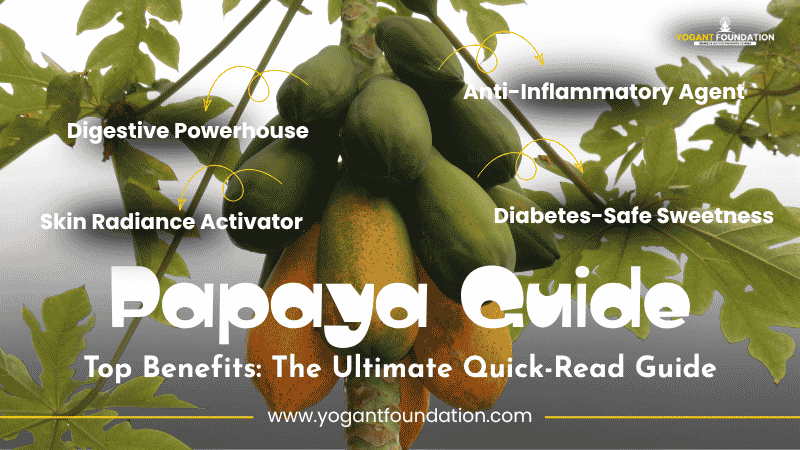
Most people know papaya helps with digestion, but they don’t know the true “why.” It’s not just the fiber. Papaya contains papain, a proteolytic enzyme so powerful that it’s commercially used as a meat tenderizer. Imagine what it can do inside your body. Papain breaks down protein chains to smaller amino acids and peptides, thereby predigesting food. This reduces the burden placed on your pancreas and stomach. Another enzyme, chymopapain has anti-inflammatory properties and helps break down protein. It’s not just a good habit to eat papaya right after eating a protein-rich, heavy meal. This is a proven way to reduce bloating and acid reflux as well heal your gut.
2. A Fortress for Your Immune System (The Papaya Vitamin Symphony)
If you search for a single food to guard your immunity, look no further than papaya. Its nutritional profile reads like an immune-boosting manual. The primary papaya vitamin headliner is Vitamin C—providing over twice the amount found in an orange per serving. But this solo act becomes a symphony with its perfect co-factors: Vitamin A (as beta-carotene) and Vitamin E. Vitamin C stimulates the production and function of white blood cells, while Vitamin A protects your mucosal barriers (your body’s first line of defense in the eyes, lungs, and gut). This isn’t a random grouping; nature intelligently bundled these specific vitamins to work in synergy, creating an antioxidant network far superior to taking them as isolated supplements.
3. The Skin-Gut Axis Radiator
Spending a lot of money on creams will not give you radiant skin. Papaya treats the gut-skin connection as the cause of dull skin. Papain, by improving digestion and eliminating waste efficiently, reduces systemic inflammation, which manifests itself as acne, dry skin, and dullness. The high vitamin content of papaya is the precursor for collagen synthesis, which keeps your skin plump and firm. Beta-carotene also acts as an internal sunscreen that protects your skin from the oxidative damage of UV radiation. Ingesting beauty is as simple as eating papaya.
4. The Underrated Vision Guardian
Papaya, a quiet, but fierce competitor, is the silent king of eye care. Carrots are famous for their claim to fame. Papaya is rich in beta-carotene which converts into Vitamin A. It supports the cornea, and it’s essential for night sight. It contains a significant amount of zeaxanthin – a powerful antioxidant carotenoid which selectively accumulates within the retina. Zeaxanthin filters out high-energy, harmful blue light, and provides powerful protection from age-related macular disease, the leading cause of adult blindness.
The Great Debates: Answering Your Toughest Questions on Papaya
Now, let’s confront the most Googled, anxiety-inducing questions surrounding papaya head-on. You need clarity, and these evidence-based, psychologically reassuring answers will provide just that.
Is Papaya Good for Diabetes? The Surprising Sweet Truth
This is a major point of psychological friction for anyone monitoring their blood sugar. You see a sweet, tropical fruit and instinctively reach for “no.” But a blanket ban on papaya for diabetics is a monumental misunderstanding of glycemic science. The unequivocal answer is yes, is papaya good for diabetes is a question with a positive answer—when consumed strategically.
Glycemic Index, or GI for short, is a key metric that measures the speed at which a certain food will spike blood sugar. Papaya is a food with a moderate Glycemic Index (GI) of 60. The Glycemic Load of a cup serving is a moderate 6.4. This is a useful metric because it takes the size into consideration. The papaya’s high water and fibre content buffers the sugar absorption. Additionally, the rich antioxidant profile, specifically the flavonoids, actively fights the oxidative stress that drives diabetic complications like neuropathy and cardiovascular damage. This transforms papaya from a feared forbidden fruit into a therapeutic functional food that improves metabolic resilience rather than destroying it.
Is Papaya Good for Pregnancy? Separating Fear from Fact
This is where misinformation causes the most unnecessary fear. You have likely heard whispers, or even direct warnings, to avoid papaya during pregnancy at all costs. This advice, while rooted in a sliver of traditional wisdom, is dangerously oversimplified. The question is papaya good for pregnancy requires a nuanced, trimester-specific answer that will finally set your mind at ease.
The fear is based on the latex content of unripe, semi-ripe, or green papaya. This white, milky latex contains concentrated amounts of papain and exhibits a prostaglandin-like activity that can stimulate uterine contractions, potentially leading to bleeding or miscarriage. It’s critical to understand: This risk is exclusive to the unripe fruit.
A fully ripe, yellow-orange papaya is entirely different. As it ripens, the latex and papain concentrations drop dramatically to insignificant, completely safe levels. A ripe papaya becomes a superfood for expectant mothers. It provides a massive, safe dose of folate (Vitamin B9), which is absolutely critical for preventing neural tube defects in the developing baby’s brain and spine. It offers easily absorbable iron to combat pregnancy-induced anemia, powerful Vitamin C to boost immunity, and gentle fiber to relieve the universal pregnancy struggle of constipation. The final verdict: Unripe is unsafe. Ripe is a nutritional goldmine.
Is Papaya Good for Weight Loss? The Satiety-Alchemy Explained
The quest for sustainable weight loss is often a battle against hunger and nutrient cravings. If your strategy involves willpower-depleting starvation, you’ve already lost. This is where papaya becomes a strategic masterstroke. Asking “is papaya good for weight loss” is like asking if water is good for hydration. Yes, profoundly so.
Using papaya for weight loss works on a multi-layered psychological and physiological level. First, the papaya calorie profile creates an incredible volume-to-energy ratio. A massive 1 bowl papaya calories serving (over a cup and a half) sits comfortably under 100 calories, physically stretching your stomach and triggering fullness receptors without the caloric load. This is volumetric eating at its finest.
Second, its combination of water and gentle fiber induces potent satiety. Third, and most crucially, the papain enzyme enhances protein digestion and nutrient absorption from your other foods. When your body is properly nourished on a cellular level, the relentless, gnawing cravings for junk food diminish. Your body stops screaming for “more food” and begins operating efficiently. Papaya for weight loss is not a metabolic miracle pill; it’s a smarter, psychologically sustainable tool that corrects underlying malabsorption and re-teaches your body what true satiety feels like.
Can We Eat Papaya at Night? The Midnight Snack Myth-Busting
There’s an old wives’ tale suggesting fruit at night is harmful, causing fermentation, weight gain, or blood sugar crashes. So, can we eat papaya at night without sabotaging your health? The answer is a resounding yes, and it might be one of the best nighttime snacks you can choose.
The “fermentation” fear defies basic human physiology. A healthy digestive system doesn’t just stop at night; it processes food efficiently. The real benefit of a nighttime papaya snack is its functional impact on sleep and next-morning digestion. Papaya is low in tyramine—an amino acid that can sometimes stimulate the brain—making it non-stimulating. Instead, it provides a gentle load of magnesium and B-vitamins, which facilitate the parasympathetic “rest and digest” nervous system state. Most powerfully, the papain works overnight as a gentle metabolic cleanser, helping your body process your entire day’s food intake while you rest. You wake up less bloated and with a cleaner, more efficient digestive system.
Advanced Pro Tips: Unlock the Hidden Power of Papaya
Now that you’ve learned the fundamentals, let’s take your understanding to the next level. Let’s now elevate your knowledge with strategies developed by professionals and backed up by extensive research that the majority of people will never find.
1. The Seed Secret: Nature’s Anti-Parasitic and Liver Tonic
Stop throwing away the black, peppery seeds in the center. They are edible and extraordinarily potent. The seeds contain carpaine, an alkaloid with proven anti-parasitic (vermicidal) properties, effectively eliminating intestinal worms and pathogens. They also contain powerful proteolytic enzymes that support liver detoxification. Start by eating just one teaspoon of fresh seeds as a pungent, spicy addition to a smoothie or salad dressing. Never start with a large amount, as their potency can cause initial gastric distress. This is a powerful, advanced gut-cleansing protocol, not a casual snack.
2. The Strategic Meat Tenderizer and Pre-Digestive
This is a culinary and biohacking crossover. Place tough, fibrous cuts of red meat or fowl in a marinade of pureed papaya (especially the skin, which is high in latex) for just 15-20 minutes. The papain will break down the connective tissue (collagen) far more effectively than any acidic marinade. Don’t marinate for hours, or the meat will turn to mush. For a direct digestive biohack, eat a few cubes of papaya 15 minutes before a heavy protein meal to prime your stomach’s enzymatic environment.
3. The Raw Papaya Diabetes Hack
While ripe papaya is good for diabetes, raw (green) papaya is a powerful functional food for metabolic syndrome. Its flesh has a negligible sugar content and a significantly higher concentration of alkaloids that have demonstrated a direct insulin-sensitizing effect in preliminary studies. Grated raw papaya, when fermented into a kimchi or cooked into a savory curry, acts less as a fruit and more as a low-carb vegetable that directly aids pancreatic function without any glycemic impact.
Common Mistakes to Avoid
Even health-conscious individuals make these simple but crucial errors that prevent them from experiencing papaya’s full potential or, worse, cause negative reactions.
| Mistake | The Consequence | The Expert Fix |
|---|---|---|
| Eating an unripe papaya on an empty stomach | The high latex concentration (with prostaglandin-like activity) can cause painful uterine-like stomach cramps and, in pregnancy, is dangerous. | Wait until the skin is predominantly yellow to orange and yields to gentle pressure. The aroma will also be sweet and floral, not grassy. |
| Throwing away the seeds | You are discarding the most potent anti-parasitic, liver-protective, and peppery-flavor component of the fruit. | Scoop out a teaspoon of fresh seeds. Chew them directly for a strong, cleansing effect, or blend them into a detox smoothie. Start low, go slow. |
| Improper storage leading to rapid spoilage | A hard, rock-green papaya will never ripen properly and may rot if refrigerated. A ripe one left out will attract fruit flies and mold quickly. | Keep green papayas at room temperature. To speed up ripening, place them in a paper bag with a banana. Once perfectly ripe, transfer immediately to the refrigerator and consume within 2-3 days. |
| Pairing papaya with high-complex dairy | For some, the enzymes can react with dairy fats and proteins, creating an off-putting, slightly bitter taste and causing curdling in the stomach. | Enjoy papaya solo as a “mono-meal” for breakfast or wait 30 minutes before and after consuming a heavy, creamy dairy-based meal. Plant-based milks or yogurt typically don’t cause this reaction. |
Papaya vs. The Competition: A Nutritional Face-Off
How does papaya truly stack up against other tropical fruit heavyweights, per 1-cup serving? This table provides a concrete, comparative analysis to inform your choices.
| Nutritional Feature | Papaya | Banana | Pineapple | Mango |
|---|---|---|---|---|
| Calories (per cup) | ~55 (Winner) | ~134 | ~82 | ~99 |
| Vitamin C (% DV) | >200% (Winner) | ~17% | ~131% | ~67% |
| Vitamin A (% DV) | ~31% (Winner) | ~2% | ~2% | ~10% |
| Unique Enzyme | Papain (Digestion) | None (Resistant Starch) | Bromelain (Digestion) | Amylase (Carb Digestion) |
| Glycemic Index (GI) | 60 (Moderate) | ~51 (Low-Mod) | ~59 (Moderate) | ~51 (Low-Mod) |
| Glycemic Load (GL) | 6.4 (Low – Winner) | 12 (Medium) | 7 (Low) | 9 (Low) |
| Best For | Weight loss, skin, digestive repair, diabetes | Workout energy, potassium | Anti-inflammation, sinuses | Antioxidant power, taste |
Note: Bananas are superior for instant pre-workout energy. Pineapple rivals papaya on digestion. Mango wins on sheer antioxidant variety. But for the ultimate low-calorie, low-GL, high-vitamin, pro-digestion multitasker for weight loss and daily wellness, papaya is the unmatched champion.
FAQ – Frequently Asked Questions
Q: How many calories are in 1 bowl of papaya?
A: A generous, average bowl of papaya cubes (about 1,5 cups or 210 g) contains 80-90 calories. The ” 1 bowl papaya calories”, combined with the high fiber and water content, make it an ideal, guilt-free snack to help you lose weight.
Q: Is it safe to eat papaya with diabetes medication?
A: Yes, but with mindful timing. Papaya’s moderate GI and very low Glycemic Load generally mean it won’t destabilize your blood sugar. However, its high antioxidant load could theoretically enhance your medication’s efficacy. Eat it as a small snack between meals, not alongside a heavy meal, and monitor your personal blood sugar response 2 hours post-meal to be safe.
Q: Can a pregnant woman in her first trimester eat a fully ripe papaya?
A: Yes, unequivocally. The unripe, green papaya is the risk. A fully ripe, yellow-orange papaya has lost the dangerous latex and is an exceptional source of folate, iron, and Vitamin C—all crucial for early fetal development. If there is any doubt about its ripeness, avoid it for peace of mind and choose a visibly soft, orange-fleshed one.
Q: How does eating papaya at night help with constipation?
A: Eating papaya a couple of hours before bed allows its papain enzyme to gently break down proteinaceous waste and undigested matter in the gut overnight. The soluble fiber absorbs water, forming a smooth, bulky stool. You typically wake up with a gentle, complete urge for elimination, unlike the harsh, urgent stimulation of a laxative.
Q: Does papaya help reduce belly fat specifically?
A: No single food spot-reduces fat. However, using papaya for weight loss creates the perfect internal environment for losing overall body fat, which often first becomes noticeable in the belly. By reducing bloating, improving protein digestion (which has a high thermic effect), eliminating cravings via high satiety at very few papaya calorie points, and healing gut inflammation, papaya directly addresses three key drivers of stubborn abdominal protrusion: inflammation, bloat, and overeating.
A Golden Decision for Your Health
You arrived with questions, perhaps even a little skepticism born from conflicting advice. But now, the path is clear. Papaya is not a generic superfood; it’s a targeted therapeutic tool. The fruit that understands your diabetic caution and responds with a gentle glycemic load. It’s the food that understands your pregnant body’s fragile state and, in its ripe form, offers pure, developmental nourishment. It’s the ally that understands your weight loss frustration and answers with profound, satiating cellular nutrition, not empty calories.
Don’t let this knowledge live only in your mind. The real transformation happens when information turns into action.
Here is your simple, immediate next step: On your very next trip to the market, walk confidently to the produce aisle. Select one papaya that is starting to blush with yellow and orange. Take it home, let it ripen to perfection on your counter until it yields softly under your thumb, and then slice it open. Taste the vibrant, sweet flesh with a new awareness—knowing you are digesting better, guarding your eyes, nourishing your skin, and building a fortress of wellness for your future, one delicious, golden spoonful at a time. Your body has been asking for this; it’s time to listen.