
Introduction: Not Your Average Banana
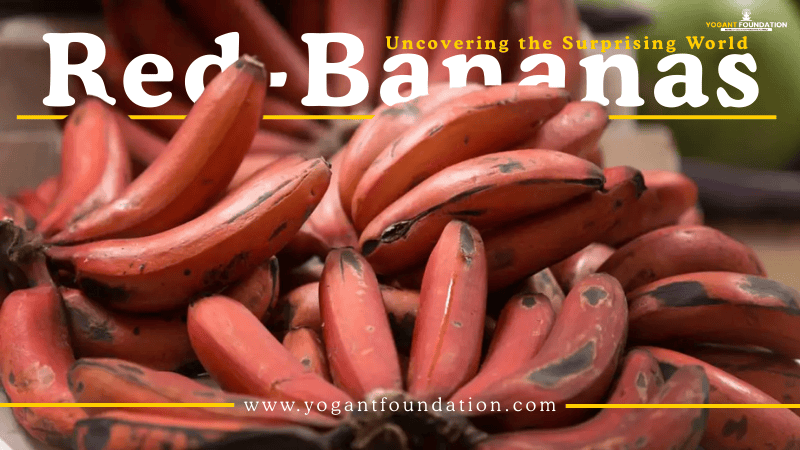
Let me be honest—I used to walk right past them. My grocery routine was a masterpiece of efficiency: grab the yellow bananas, maybe some apples, and move on. Then, one rainy Tuesday, I stopped. There, nestled between the familiar Cavendish and the plantains, was a bunch of bananas that looked like they’d been dipped in wine. A deep, burgundy skin, almost too pretty to eat. I was curious. (Red Banana)
That was my first, delicious mistake. Because the red banana isn’t just a yellow banana in a fancy coat. It’s a different experience altogether—creamier, sweeter, with a hint of berries hiding in its soft flesh. But beyond the novelty, I discovered a fruit packed with whispers of real health benefits. If you’ve ever wondered about red banana calories, googled red banana protein, or puzzled over whether it’s good for red banana weight loss or gain, you’re in the right place. Let’s unravel this ruby mystery together, in a way that feels less like a textbook and more like a chat with a friend who’s just as fascinated by food as you are.
What Is a Red Banana?
First things first—let’s clear the air. That red skin doesn’t mean it’s angry or unripe. It’s a completely different variety, a cousin in the large banana family, with the scientific name Musa acuminata. They thrive in the specific sun and soil of places like Costa Rica, Ecuador, and parts of Southeast Asia.
The magic behind that gorgeous color? Anthocyanins. These are the same powerful antioxidant pigments that make blueberries blue and red cabbage, well, red. Nature’s way of saying, “Hey, look here, I’m packed with good stuff!”
When perfectly ripe, the skin is a deep maroon-red (a few black specks are totally fine—think of them as flavor freckles). Peel it back, and the surprise continues: the flesh isn’t the bright white you expect. It’s a soft, creamy ivory with hints of pale pink or peach. The texture is denser and more velvety than a standard banana, and the taste? Imagine a regular banana decided to take a vacation with a raspberry. It’s subtly sweeter, with a floral, almost berry-like finish.
A Kitchen-Table Breakdown: Red Banana Nutrition
Before we dive into the lofty benefits of red banana, let’s get practical. What are you actually putting into your body when you eat one? Let’s break it down like we’re looking at a food label together over coffee.
Let’s Talk Red Banana Calories
Okay, so you’re watching your intake. I get it. Here’s the straight talk: a medium red banana (about the size of your smartphone) clocks in at roughly 90 to 110 calories. Practically a twin to the yellow banana in the calorie department. This makes it a fantastic, portion-controlled snack. Those calories aren’t empty, either—they’re bundled up with fiber and water, meaning they’ll satisfy you, not just tick a box.
The Macro Story: Carbs, Fiber, and That Red Banana Protein
Carbs & Fiber: You’ll get about 22-25 grams of carbohydrates. But here’s the key—a solid 2-3 grams of that is dietary fiber. This is the “good carb” combo that gives you steady energy and keeps your digestive system humming happily.
The Red Banana Protein Question: This one often raises eyebrows. With about 1.5 to 2 grams of protein per fruit, it’s not a steak. But for a fruit? That’s pretty impressive. It’s a helpful little bonus that contributes to muscle repair and that feeling of fullness, especially when paired with, say, a spoonful of almond butter.
Fat: Basically none. We’re talking less than half a gram. It’s a naturally fat-free food.
The Real Superstars: Vitamins and Minerals
This is where the red banana starts to quietly show off. It’s like a multivitamin that actually tastes good.
- Vitamin C: Often higher than in yellow bananas! Great for your immune system and for keeping your skin glowing.
- Vitamin B6: A champion for your brain. It helps your body manage mood, sleep, and stress by making neurotransmitters like serotonin.
- Potassium: You thought yellow bananas had a lock on potassium? Red bananas often have even more. This mineral is crucial for keeping your heart rhythm steady and your blood pressure in check.
- Beta-Carotene: That lovely peach color inside? That’s beta-carotene, which your body converts to Vitamin A. Think of it as fuel for healthy eyes and a strong immune system.
- Antioxidant Powerhouse: Remember those anthocyanins in the skin? They’re inside, too, fighting cellular damage. Plus, red bananas contain dopamine (the compound, not the emotion)—a potent antioxidant in the gut.
7 Red Banana Benefits You Can Actually Feel
Nutrition facts are nice, but what does this all mean for you? How does eating a red banana actually translate to feeling better? Let’s connect the dots.

1. Your Heart’s Quiet Friend
Between the blood-pressure-friendly potassium and the inflammation-fighting antioxidants, the red banana is a heart-healthy choice. No need to make a big deal about it, this food does all its work in the background.
2. A Soothing Buddy for Your Gut
If you’ve ever struggled with digestion, the fiber in red bananas can be a gentle game-changer. The soft, creamy flesh is easy to digest, while the fiber adds bulk and promotes regularity. It’s a prebiotic, too, feeding the good bacteria in your intestines. A happy gut often means a happier you.
3. An Immunity Shield in a Peel
We’re all looking for ways to stay well. The potent mix of Vitamin C and anthocyanins in red bananas acts like a daily defense squad, helping to protect your cells from damage and supporting your body’s natural defenses.
4. Food for Your Eyes
In our screen-filled world, eye health is everything. That beta-carotene is a key nutrient for protecting your vision, especially as you age. It’s a simple, tasty step toward long-term eye care.
5. Steady Energy, Without the Crash
Ever had a mid-afternoon snack that left you hungrier an hour later? The combo of natural sugars, filling fiber, and metabolism-supporting B6 in a red banana provides a slow, steady burn of energy. It’s the perfect pre-gym fuel or 3 PM desk snack to beat the slump.
6. For a Glow That Comes From Within
Clear skin starts with what you eat. Vitamin C is essential for building collagen, the protein that keeps your skin plump and firm. Antioxidants fight environmental stressors which can cause premature ageing. Beauty care from within.
7. A Metabolic Helper
Vitamin B6 plays a role in many enzyme reactions that occur in the body. Many of these involve converting food into energy. Including red bananas helps ensure this process runs smoothly.
The Great Debate: Red Banana for Weight Loss or Gain?
This is the million-dollar question, and the answer is wonderfully flexible: It can help with both. It’s all about context—how and when you eat it.
Using Red Banana for Weight Loss
If shedding a few pounds is your goal, the red banana is a brilliant ally.
- It’s Nature’s Portion Control: At ~100 calories, it’s a satisfying, sweet treat that won’t blow your daily budget.
- Fiber is Your Friend: That 3 grams of fiber fills you up and keeps you full, helping to curb mindless snacking.
- Satisfies Sweet Teeth: Craving something sugary? A sweet, creamy red banana can hit the spot, saving you from a cookie or candy bar.
- My Tip: Eat one as a standalone morning or afternoon snack. Or, slice half into a bowl of plain Greek yogurt. The protein-fat-fiber combo is a weight-loss trifecta.
Using Red Banana for Healthy Weight Gain
Need to put on weight in a nourishing way? The red banana is just as useful.
- Nutrient-Dense Calories: Those 100 calories are packed with vitamins and minerals, unlike the empty calories in junk food. You’re building health, not just mass.
- Easy to Add: They’re incredibly easy to incorporate into a high-calorie diet.
- Gentle on the Stomach: For those with a sensitive appetite, its soft texture and easy digestibility make it a perfect calorie booster.
- My Tip: Blend a whole red banana into a weight-gain smoothie with oats, full-fat yogurt, a scoop of nut butter, and a dash of honey. Have it as a calorie-packed snack between meals.
From the Store to Your Kitchen: A Practical Guide
How to Pick the Perfect Bunch
Look for bananas that are mostly a deep, solid red. A few black specks are perfect—they indicate peak sweetness. Avoid ones with big bruises or split skins. If they’re still tinged with green, they’re not ready. They’ll ripen perfectly on your counter in a day or two.
5 Ways to Fall in Love with Red Banana
1. The Pure Experience: Just peel and eat. Savor it. Notice the difference.
2. Breakfast Upgrade: Cut it into slices and serve over pancakes, French toast, oatmeal or French bread. The sauce melts to a delicious, sweet flavor.
3. The Ultimate Smoothie: Its creamy texture makes the creamiest smoothies. Try one with spinach, mango, and coconut milk.
4. A Gourmet Dessert: Slice it lengthwise, drizzle with a tiny bit of honey, and grill for a minute. It tastes like caramelized bliss.
5. Frozen Treat: Peel, slice, freeze on a tray, then blend for a one-ingredient “nice cream.”
A Few Gentle Words of Caution
Red bananas are safe for almost everyone. However, because they are sweeter and have a slightly higher glycemic index than some fruits, if you are managing diabetes, enjoy them in moderation and ideally paired with a source of protein or healthy fat. And as with any new food, if you have a sensitive stomach, start with a small amount to see how you feel.
Conclusion: Why Not Add a Little Color?
The red banana represents more than just a nutritional profile. The red banana is a great reminder to enjoy the process of selecting food. This is a great conversation starter and adds color to your plate. It’s also a delicious way to care for yourself.
This fruit has a variety of uses. Whether it’s to explore the red banana benefits or red banana calories and proteins or navigate your own journey through loss or gain.
So next time you’re in the produce aisle, take a chance. Reach for the red. Your taste buds—and your body—might just thank you for the delightful change of pace.