
Introduction: The Gentle Power of the Locust Pose
Meet Salabhasana (pronounced sha-la-BAHS-anna), or the humble Locust Pose. It might not be the star of Instagram, but in my years of teaching, I’ve seen it become a quiet, transformative favorite for real people with real, aching backs and real-life stress. Whether you’re curious about Salabhasana, dipping a toe into Ardha Shalabhasana (the gentler half-version), or just googling locust pose benefits after a long drive, you’re in the right place. This isn’t about gymnastic achievement; it’s about feeling better in the body you have today. Let’s pull up a (metaphorical) mat and chat about why this pose is a game-changer.
What is Salabhasana? Unpacking the “Locust” in Yoga
The name sounds unfamiliar, but the idea is straightforward. “Salabha” means locust or grasshopper in Sanskrit, and “asana” means pose. Picture the insect: belly on the ground, back legs poised and lifted, ready to spring. That’s the essence—grounded yet energetic.
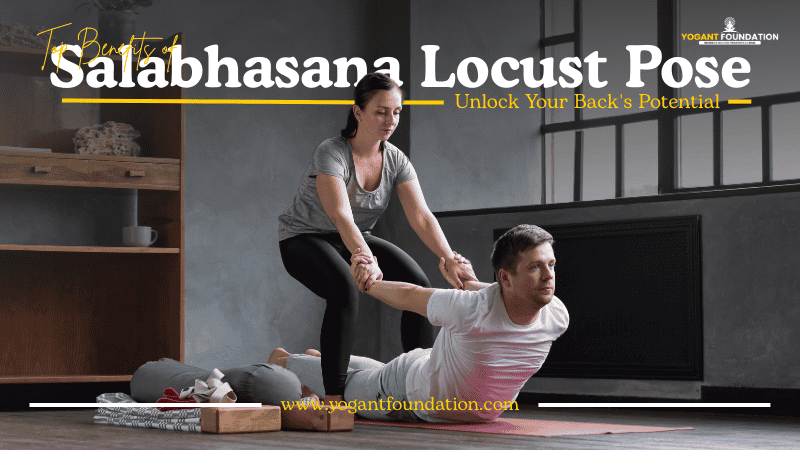
In practice, you lie on your stomach and lift your chest, arms, and legs. It’s a backbend, but a uniquely grounded one. Your hips and lower belly stay connected to the earth, which is why I often call it the “accessible backbend.” It’s less about extreme flexibility and more about waking up the muscles you’ve been lulling to sleep at your desk. You might also see it spelled Shalabhasana—same pose, same wonderful benefits of Shalabhasana.
Foundational Alignment: How to Practice Locust Pose Safely
Before we geek out on the benefits, let’s get you set up safely. Think of this as the instruction manual for your own body.
- Get Comfy Down There: Lie flat on your stomach. Stretch your legs straight back, tops of your feet on the mat. Rest your arms alongside your body, palms down. Let your forehead gently touch the floor. Take a breath here. Notice where you feel tension.
- Prep the Engine: Inhale, and gently draw your belly button in toward your spine. This isn’t a suck-in; it’s a gentle engagement to protect your lower back. This is your core saying, “I’ve got you.”
- The Lift (Here We Go!): As you exhale, imagine strings are lifting your head, chest, hands, and feet just an inch off the floor. Keep your gaze down so the back of your neck stays long. Don’t jerk or strain. It’s a smooth, controlled lift.
- Find Your Version: Reach your fingertips toward your toes and lengthen through your legs. Your thighs should rotate inward slightly. Hold here for 3-5 breaths. If that’s enough, amazing! That’s your locust yoga pose. You can raise your arms a bit higher if you feel good.
- Come Down Gently: On an exhale, lower everything with control. Turn your head to one side, cheek on the mat, and rest for a moment. Notice the warmth and buzz in your back—that’s the good stuff!
For Ardha Shalabhasana (Half Locust Pose): Do everything above, but only lift one leg at a time. Keep both arms and the other leg grounded. This is perfect for beginners or if your lower back is talking to you.
The Multifaceted Benefits of Salabhasana: More Than Just a Backbend
So, what’s the big deal? What is the point of putting this on your busy schedule? The locust pose benefits are sneakily comprehensive. Let’s break them down like we’re chatting over coffee.

Physical & Anatomical Benefits: Building a Resilient Body
- It’s a Back’s Best Friend: If you sit all day, your posterior chain (fancy term for the muscles up your backside and spine) goes on vacation. Salabhasana is a wake-up call. It strengthens your lower back, glutes, and hamstrings, literally building a muscular support brace for your spine. Goodbye, constant slouch adjustment.
- The Ultimate Desk Detox: It directly counters the “computer hunch.” By lifting your chest, you open up the front of your shoulders and heart space. You might actually feel like you can take a deeper breath afterward.
- Sneaky Core Work: Everyone wants a strong core, but we often forget our back is part of that core team! Holding locust pose salabhasana forces your entire torso to work in harmony, building stability from all sides.
- Happy Digestion: The gentle pressure on your belly when you lie prone acts like a mini-massage for your intestines. Many students report it helps with bloat and keeps things, well, moving. A hidden benefit of Shalabhasana no one talks about enough!
- Firms Without the Gym: The intense effort to keep your legs lifted tones your butt and thighs beautifully. Consider it a targeted lift, no equipment required.
Therapeutic and Healing Benefits
- Eases That Achy Back: For general, non-specific lower back tension (the “I-slept-wrong” or “I-sat-too-long” kind), a mindful Salabhasana pose can be a miracle. It strengthens the area, bringing blood flow and relief.
- An Energy Shot, Without the Caffeine: Feeling that 3 p.m. slump? Instead of another coffee, try three rounds of Locust. The inversion of the torso brings fresh blood to your brain and adrenal glands, often leaving you feeling alert and refreshed.
- Mood Lifter: There’s a real link between posture and mood. Opening your chest physically can help lift a heavy emotional state. It’s hard to feel completely defeated when you’re in a powerful, heart-open pose.
Mental, Energetic, and Subtle Body Benefits
- Builds Grit: Let’s be honest—holding the pose is work! That focused effort, where you breathe through the burn, builds mental resilience. You prove to yourself you can do hard things, on and off the mat.
- Ignites Your Confidence Center: In yoga philosophy, we have energy centers called Chakras. The one at your solar plexus (your gut) is your power hub. The fire you create in your core during locust yoga pose directly fuels this sense of personal power and “I can do this” energy.
- Teaches Grounded Growth: Here’s an excellent metaphor. Your spirit soars but your pelvis is grounded. You can still be powerful and ambitious, while maintaining your roots. A great lesson in work and life.
Variations and Modifications: Making Salabhasana Accessible to All
This pose is for every body. Seriously.
- If It Feels Too Intense: Stick with Ardha Shalabhasana (one leg at a time). You can also keep your hands under your forehead for support. A folded blanket under your hips and belly is a game-changer for comfort.
- If You Want More: Try clasping your hands behind your back as you lift. It gives an incredible shoulder opener. Or, practice small, controlled pulses up and down with your breath.
- Listen to Your Body: Sharp pain? Stop. Dull, fiery engagement in the muscles? That’s your signal to breathe and maybe back off an inch. You’re in charge.
Fitting It Into Your Life: Beyond the Yoga Mat
You don’t need a 90-minute flow. Salabhasana fits anywhere.
- Morning Routine: Do 3 rounds after you wake up to shake off stiffness.
- Desk Break: Slide your chair back and do 2 rounds of Half Locust on the floor. Your back will thank you by 4 p.m.
- Pre-Workout: It’s a fantastic warm-up for your spine before a run or weight session.
- Wind-Down: A gentle version can release the day’s tension before bed.
Integrating Salabhasana into Your Broader Yoga Practice
You don’t need a perfect flow to use this pose. Think of it as a versatile tool you can plug in wherever you need it.
In Ashtanga and Vinyasa Flows: Here, it’s the bridge builder. You’ll often do it right after a gentler backbend like Cobra, when your back is warm but not deep. It builds the strength you need before you attempt something bigger like Bow Pose. It’s the essential middle step.
2. As Your Secret Prep Pose: Planning to try a deeper wheel or a shoulder stand? Do 2-3 rounds of Locust first. It’s like priming a pump—it wakes up and fortifies all the right muscles along your spine, making those advanced poses safer and more accessible.
3. For Gentle, Healing Moments: This is where the Half-Locust (Ardha Shalabhasana) shines. If your goal is simply a happy back or better digestion, pair it with other gentle floor poses like knees-to-chest or a supine twist. It becomes part of a therapeutic routine, not a performance. Just listen, and lift one leg at a time.
Common Mistakes and How to Avoid Them
Let’s keep it safe and effective.
- Don’t Cranky Your Neck: Look at the mat a few feet ahead, not up at the wall. Your neck should be a natural extension of your spine.
- Breathe, For Heaven’s Sake! It’s so easy to hold your breath. Make your exhale audible (like a sigh) to release tension.
- Height Isn’t Everything: Lifting two inches with perfect form is worth more than straining six inches and compromising your lower back. Quality over quantity.
- Butt Clenching = Back Clenching: Squeezing your glutes too hard can jam your sacrum. Think more about lengthening your legs back and lifting your thighs.
The Deeper Symbolism: What the Locust Teaches Us
Sometimes we need a little wisdom from nature. A locust isn’t always flying; it often waits, grounded, conserving energy for the right moment to leap. Solvason (a common typo that shows just how many people are searching for this!) teaches us that same lesson. Our power isn’t always in constant motion. Sometimes, it’s in the quiet, consistent build—the strengthening of our foundation so that when we do rise, we do it with stability and purpose.
Conclusion: Your Invitation to Rise
Look, I’m not here to sell you a magical cure-all. But I am here, as someone who has seen hundreds of students discover this pose, to tell you it’s worth trying. The locust pose benefits aren’t just in some ancient text; they’re in the relieved sigh of a dad after his first successful hold, the straighter posture of a writer after a week of practice, the little spark of pride when someone realizes they’re stronger than they thought.
So tonight, or right now if you can, clear a little space on the floor. Don’t think about yoga, think about exploration. Lie down, follow the steps, and see what one gentle lift feels like. That’s it. That’s where the change begins—not with a dramatic leap, but with a simple, grounded rise. Your back, your energy, and your mood are waiting.