
Introduction to Baddha Konasana & Supta Baddha Konasana
It’s not an option to find moments of calm and release in today’s hectic pace of life. Instead, it is essential. Enter Baddha Konasana and its deeply restorative partner, Supta Baddha Konasana. The postures invite you to find stillness and self-compassion as well holistic healing. No matter if you are a beginner or an experienced yogi, this guide will show you the many benefits of these poses and teach how to incorporate them into your yoga practice.
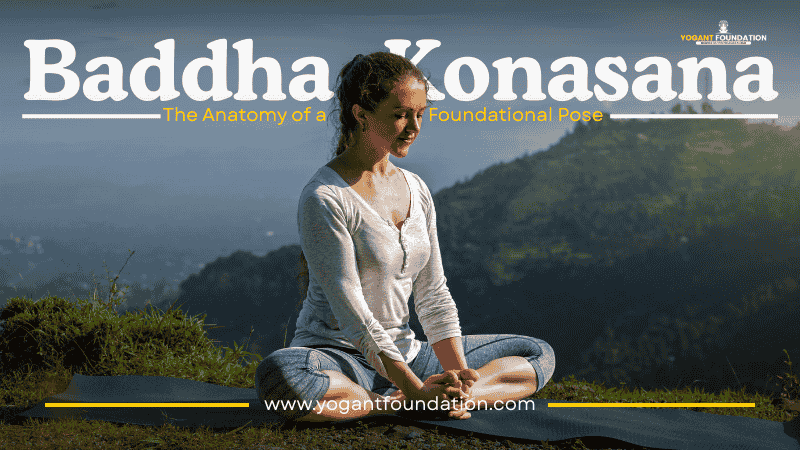
What is Baddha Konasana? The Anatomy of a Foundational Pose
Let’s demystify the name. Coming from Sanskrit:
- Baddha means “bound” or “caught.”
- Kona translates to “angle.”
- Asana is “posture” or “seat.”
So, it’s literally the “Bound Angle Pose.” You might have called it Butterfly Pose as a kid, sitting with the soles of your feet together and flapping your knees like wings. The yoga version is a more mindful evolution of that same innocent shape. It’s not about the flap; it’s about the surrender. A foundational seat that teaches us about grounding through our sit bones while creating space where we so often hold tension—our hips and inner thighs.
How to Practice Baddha Konasana Safely and Effectively
I want you to forget everything you’ve seen about forcing your knees to the floor. This pose is about intelligent, kind opening. Here’s how to make it work for your body today.
- Start Seated, But Get Comfy: Sit on your mat. Feel those two bony points under you? Those are your sit bones. Rock gently side-to-side. If your back is rounding or you feel like you’re tipping backwards, please sit on a folded blanket or a block. This is the game-changer. It tilts your pelvis forward and lets your spine be long, not slumped.
- Create Your Bound Angle: Bend your knees and draw your heels in toward your pelvis. Let the soles of your feet touch and allow your knees to fall open to the sides. Don’t pull them down.
- Hands and Heart: You can hold your feet, wrap your hands around your ankles, or rest your hands softly on your inner thighs. Inhale, feel your spine grow tall. Exhale, soften your shoulders away from your ears. Your gaze is soft, maybe looking down your nose or with eyes closed.
- The “Edge” is a Gentle Nudge: You should feel a definite but manageable stretch in your inner thighs and groins. It should not be a sharp or pinching pain in your knees. If there’s any knee strain, immediately put support underneath them—blocks, pillows, rolled-up towels. Your body will thank you.
- Breathe and Be: Stay here for 1 to 3 minutes. Imagine your breath flowing into those tight spaces. With every exhale, visualize a little more ease.
- Coming Out with Care: Inhale, use your hands to gently guide your knees together. Extend your legs out and shake them gently. Notice how you feel.
This is your baddha konasana yoga foundation. It’s a practice, not a perfect.
The Transformative Power of Supta Baddha Konasana (Reclining Bound Angle Pose)
If the seated version is the conversation, Supta Baddha Konasana is the deep listening. “Supta” means reclined. This is where we take all that gentle opening and fully support it, allowing gravity and our breath to do the healing work. In my Restorative Yoga training, we called this the “heart-melting” pose. It’s a masterclass in letting go.
Step-by-Step Guide to Blissful Recline
You’ll need some props: a bolster (or two firm pillows), a couple of blankets, and maybe blocks. Don’t skip them—they’re not cheating, they’re the magic.
- Set Up Your Nest: Place your bolster or long pillow lengthwise on your mat. Sit in Baddha Konasana with the soles of your feet together, your knees wide, and the bolster directly behind you.
- Recline with Support: Slowly lean back, guiding your spine onto the bolster so it supports you from your tailbone to your head. Your head should be comfortable, not tilted back. Use a folded blanket under it if needed.
- Support the Knees: This is crucial. Slide blocks, folded blankets, or pillows under each thigh/knee. The support should be enough so your inner groins feel a gentle release without any strain.
- Assume the Position of Rest: Let your arms rest out to the sides, palms up, in a soft “V” shape. Or, place one hand on your heart and one on your belly. Close your eyes.
- The Practice is Surrender: Stay here for 5 to 15 minutes. Let your jaw be slack, your tongue soft, your forehead smooth. Your only job is to notice the rise and fall of your breath.
- Exiting Gently is Key: To come out, bring your knees together, remove the props, and roll slowly onto your right side. Rest there for a few breaths as your body adjusts. Use your hands to press yourself up to a seated position. Sit quietly. The effects linger.
Baddha Konasana Benefits: More Than Just Hip Opening
Let’s move beyond the textbook list. What do these poses actually feel like they’re doing?

Baddha Konasana Benefits You Can Actually Feel
- It’s a Counterpose to Modern Life: We sit in chairs, in cars, on sofas—with our hips permanently flexed and tightened. This pose does the opposite. It’s a literal physical sigh of relief for your pelvis.
- Your Lower Back Says “Thank You”: Tight hips pull on the lower back. By easing that hip tension, you’re indirectly giving your lumbar spine a much-needed break. I’ve used it to ease those nagging aches after a long drive.
- It Creates a Calm, Alert Seat: As you learn to sit tall with ease, it becomes a perfect seat for meditation. It grounds you while keeping you awake and present—no slouching or fidgeting.
- It’s a Gentle Internal Massage: That upright, open position encourages healthy circulation and movement in your abdominal organs, which can feel like a gentle reset for sluggish digestion.
The Profound Healing: Supta Baddha Konasana Benefits
This is where the magic deepens. The supta baddha konasana benefits are a direct line to your nervous system.
- It Switches Off the “Alarm” State: When you’re fully supported—spine, knees, head—your body gets the signal: “You are safe. No threats here.” This activates your parasympathetic nervous system (your “rest and digest” mode), slowing your heart rate and quieting the mental chatter. It’s the antithesis of scrolling through news before bed.
- It’s a Haven for the Heart (Physical and Emotional): Supported chest openings encourage deeper and fuller Breathing. Energy-wise, you may feel as if you are releasing a layer of armor, which you did not know you had on. This allows emotions to settle. In this pose I have seen students cry quietly, not because of sadness, but out relief at finally being able to stop.
- The Ultimate Menstrual and Menopausal Companion: For those who menstruate, this pose can be a sanctuary during your cycle, soothing cramping and low energy. During perimenopause and menopause, its calming effect on the nervous system can be a powerful tool for managing hot flashes and anxiety.
- It Redefines Rest: This isn’t collapsing on the couch exhausted. This is conscious, active rest. You emerge feeling replenished, not just zonked. It’s a skill that teaches you how to truly recharge.
Integrating Baddha Konasana Yoga into Your Daily Life
This practice doesn’t demand a 90-minute class. It meets you where you are.
- The 5-Morning Minute Miracle: Before you check your phone, sit on your bed in Baddha Konasana for a few breaths. It sets a tone of presence for the day.
- The Desk Detox: Sitting in your office chair? Put your ankles on your knees (like a figure four) for a modified version. It’s a discreet hip opener.
- The Pre-Bedtime Ritual: Supta Baddha Konasana for 10 minutes before bed is better than any sleep aid. It tells your body the day is done.
- In Your Full Yoga Practice: Use the seated version to open up before deeper hip work. Use the reclined version as the centerpiece of your restorative practice or as a final Savasana alternative.
Precautions and Contraindications
Bring awareness to your practice.
- Knee or Groin Injuries: Be extra gentle. Use maximum support and avoid any sensation beyond a mild stretch. Your version might look like simply sitting with your legs wide.
- Lower Back Sensitivity: The seated pose requires that pelvic tilt (hence the blanket!). The reclined version is often the better choice.
- Pregnancy: A beautiful pose, but after the first trimester, avoid lying flat on your back. In Supta Baddha Konasana, use a large wedge of blankets or a reclining bolster to keep you on a diagonal, not flat.
Conclusion: Your Pose of Ease and Liberation
In a world that often rewards pushing, Baddha Konasana and Supta Baddha Konasana offer a different wisdom: the power of yielding. They aren’t about achieving a perfect shape; they are about creating a perfect condition for healing—both physical and emotional.
Remember this profound, simple practice the next time that you are feeling tight or tense. Roll out your mat, gather your pillows, and allow yourself to be held. Explore the gentle awakening of the bound angle, and then sink into the profound peace of the reclined surrender. Discover for yourself the unique baddha konasana benefits and the soul-deep supta baddha konasana benefits. This is more than baddha konasana yoga—it’s a homecoming to yourself.